Where to Buy Garlic Seeds in Kenya
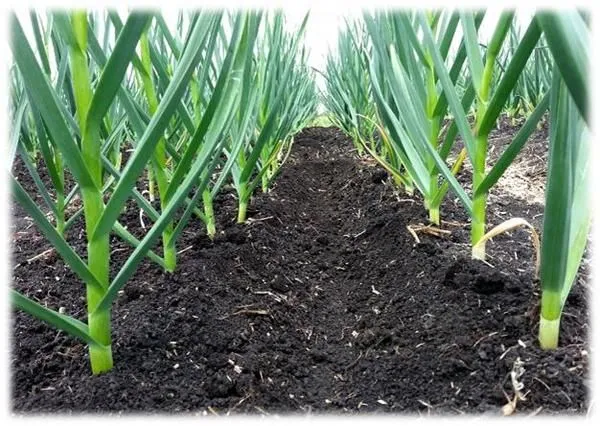
Every farming season, thousands of Kenyan farmers invest in garlic seeds only to face disappointing harvests. Poor germination rates, disease-infected bulbs, and unverified suppliers cost farmers both money and time. Knowing where to buy garlic seeds in Kenya from trusted suppliers can make all the difference between a poor yield and a profitable harvest.
With over 10 years of experience connecting Kenyan farmers with certified agricultural inputs, farming.co.ke has become the trusted bridge between quality garlic seed suppliers and farmers across the country. Our verified supplier network ensures you get disease-free, certified garlic bulbs for planting, backed by expert agronomic support throughout your growing season.
Looking for certified garlic seeds in Kenya? Call or WhatsApp us at 0727 409 419 for verified suppliers and latest prices.
Trusted Suppliers of Garlic Seeds in Kenya
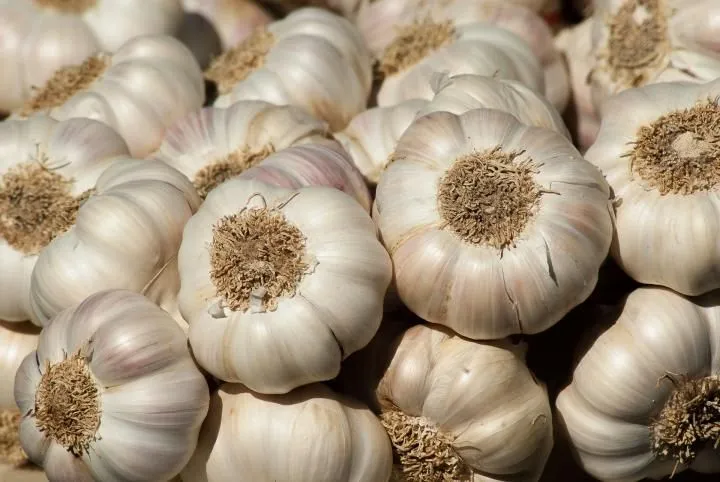
Finding reliable sources to buy garlic seeds in Kenya requires careful vetting. At farming.co.ke, we’ve spent over a decade building relationships with certified suppliers who meet strict quality standards. Our network includes established agricultural companies, verified online marketplaces, and regional distributors who provide nationwide delivery.
When you contact us, we connect you with suppliers who offer:
- Certified seed stock – Disease-free garlic bulbs verified by Kenya Plant Health Inspectorate Service (KEPHIS)
- Multiple varieties – Softneck, hardneck, and elephant garlic suitable for different Kenyan climates
- Nationwide delivery – From Nairobi to Nakuru, Eldoret to Meru, get your garlic seeds delivered to your farm
- After-sale support – Growing advice, pest management tips, and agronomic guidance
Our verified suppliers include established seed companies like Simlaw Seeds, online agricultural platforms and specialized garlic seed distributors across Kenya.
We also work with regional agricultural stores that stock certified garlic seedlings for sale in Kenya during peak planting seasons.
The advantage of sourcing through farming.co.ke is simple: we eliminate the risk. Every supplier in our network undergoes regular quality checks, and we maintain direct communication channels to resolve any issues quickly.
Garlic Seed Prices in Kenya 2025
Understanding current garlic seed prices helps you budget accurately and avoid overpaying. As of 2025, garlic seeds in Kenya price varies based on variety, quality certification, and supplier location. Here’s what you should expect to pay:
Softneck Garlic Seeds:
- Retail price: KSh 800 – KSh 1,200 per kilogram
- Bulk orders (50kg+): KSh 700 – KSh 1,000 per kilogram
Hardneck Garlic Seeds:
- Retail price: KSh 1,000 – KSh 1,500 per kilogram
- Bulk orders: KSh 900 – KSh 1,300 per kilogram
Elephant Garlic Seeds:
- Retail price: KSh 1,200 – KSh 1,800 per kilogram
- Bulk orders: KSh 1,000 – KSh 1,500 per kilogram
For one acre of garlic farming in Kenya, you’ll need approximately 800-1,000 kilograms of seed garlic depending on spacing and variety. This means seed costs alone range from KSh 560,000 to KSh 1,500,000 per acre. However, with proper management, garlic farming can yield returns of KSh 2-3 million per acre at current market rates.
Prices fluctuate based on seasonality, with higher costs during peak planting periods (March-April and September-October). Buying in bulk or pre-ordering your garlic for planting can save you 15-20% compared to last-minute purchases.
For the most current garlic seeds prices in Kenya and bulk discounts, call or WhatsApp us at 0727 409 419. We’ll connect you with suppliers offering competitive rates and verified quality.
Price data compiled from Greenlife Kenya, Simlaw Seeds, and verified agricultural suppliers across Kenya.
Types of Garlic Seeds That Grow Well in Kenya
Choosing the right garlic variety for your farm determines your success. Kenya’s diverse climate zones support different garlic varieties, and understanding which type suits your region is essential.
Garlics are of two major types; hardneck and softneck. Hardneck garlic produces tall flower stalks called scapes while softneck garlic typically doesn’t produce flower stalks.
Softneck Garlic
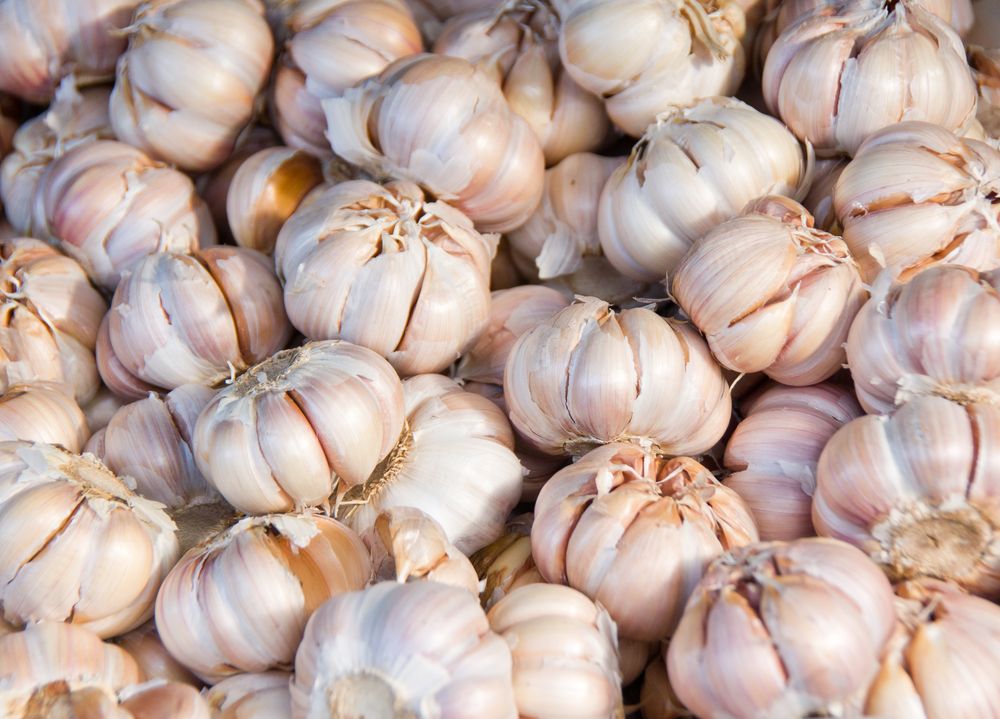
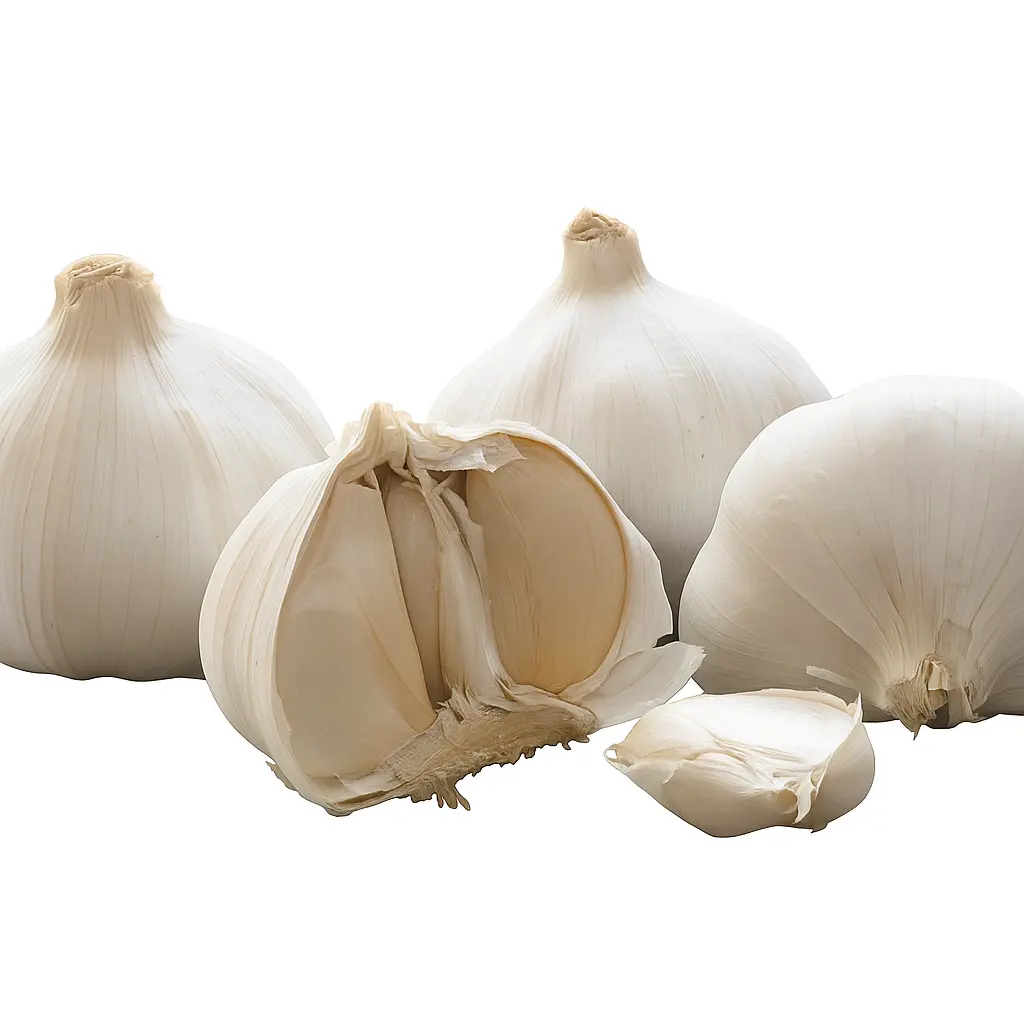
Softneck varieties are the most popular choice for Kenyan farmers, particularly in warmer regions like Central Kenya, parts of Rift Valley, and lower altitude areas. These garlic seeds produce 12-20 small to medium cloves per bulb with a flexible stem that allows for traditional braiding.
Key advantages:
- Longer storage life (6-8 months when properly cured)
- Adapts well to warmer climates
- Higher yield per acre compared to hardneck varieties
- Milder flavor preferred in many Kenyan dishes
Best for: Commercial farmers targeting local markets, regions below 1,800 meters altitude
For most commercial operations in mid to high-altitude regions, hybrid softneck varieties like JKUAT-1 offer the best balance of yield, storage, and market acceptance.
Hardneck Garlic
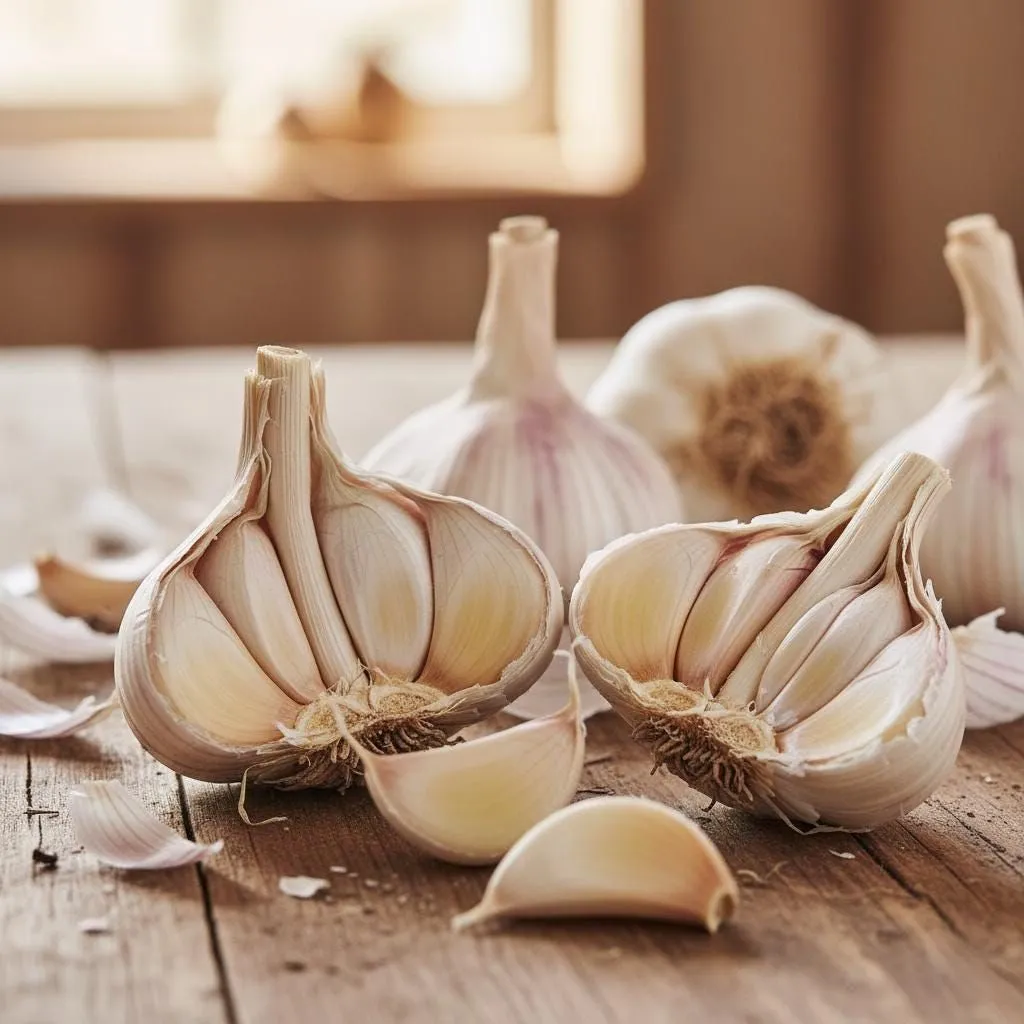
Hardneck garlic thrives in cooler highland regions like Nyandarua, Meru, parts of Mount Kenya slopes, and high-altitude Rift Valley areas. These varieties produce 6-10 large, easy-to-peel cloves around a central woody stalk.
Key advantages:
- Bold, complex flavor commanding premium prices
- Produces edible scapes that create an additional income stream
- Larger clove sizes preferred by restaurants and export markets
- Better disease resistance in cooler climates
Best for: Highland farmers, organic growers, premium market targeting
Elephant Garlic
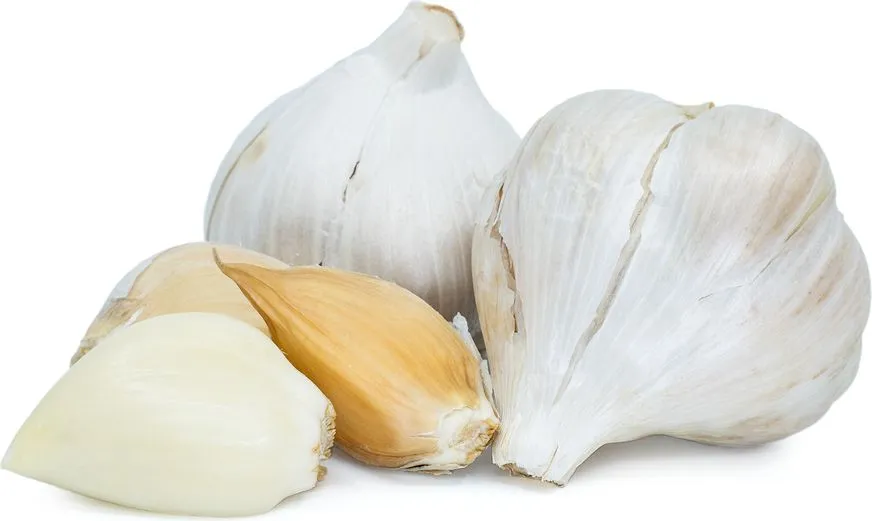
Despite its name, elephant garlic is technically a leek relative, producing massive bulbs with 4-6 very large, mild-flavored cloves. While less common in Kenya, it’s gaining popularity for its novelty value and ease of growth.
Key advantages:
- Extremely large cloves (can weigh 50-100 grams each)
- Mild flavor appeals to garlic-sensitive consumers
- Impressive visual appeal for direct farm sales
- Longer growing season but lower maintenance
Best for: Farmers targeting niche markets, agritourism operations, direct consumer sales
The best garlic seed to plant in Kenya depends on your location, target market, and farming goals.
What to Look for When Buying Garlic Seeds
Not all garlic bulbs for planting are created equal. After 10 years of helping Kenyan farmers source agricultural inputs, we’ve identified the critical factors that separate successful garlic crops from failures:
1. Certification and Quality Standards
Always buy certified garlic seed from suppliers who can provide KEPHIS certification or equivalent quality documentation. Certified seeds undergo disease testing and meet minimum germination standards. Uncertified seeds may carry:
- White rot fungus (devastating and soil-persistent)
- Fusarium basal rot
- Nematode infestations
- Viral diseases affecting yield
2. Clove Size and Health
Select large, firm cloves for planting. Each clove should be:
- At least 2-3 grams in weight (larger cloves produce bigger bulbs)
- Free from soft spots, mold, or discoloration
- Firm to touch with intact papery skin
- Free from sprouting (unless you’re planting immediately)
Larger cloves contain more stored energy, producing more vigorous plants and bigger harvests.
3. Variety Verification
Ensure your supplier can confirm the exact variety you’re purchasing. Many Kenyan markets sell generic “garlic seeds” without variety specification, making it impossible to optimize your growing practices or predict harvest outcomes.
4. Supplier Reputation and Support
Choose suppliers who offer:
- Growing guides specific to Kenyan conditions
- Access to agronomic advice during the growing season
- Responsive customer service
- Reasonable return policies for defective seeds
At farming.co.ke, we only partner with suppliers meeting these standards. Our 10+ years of agricultural experience means we’ve vetted suppliers thoroughly, eliminating the guesswork from your sourcing decisions.
5. Pricing Transparency
Be wary of prices significantly below market rates—they often indicate:
- Uncertified seeds saved from previous harvests
- Imported table garlic sold as seed stock
- Disease-compromised bulbs
- Older stock with reduced viability
While everyone wants a good deal, quality garlic seeds in Kenya price reflects the certification, selection, and handling standards that protect your investment.
Ready to source quality garlic seeds? Contact farming.co.ke at 0727 409 419 to access our verified supplier network and get expert guidance on variety selection for your specific location.
Why Trust Farming.co.ke
In an agricultural market filled with uncertainty, farming.co.ke stands as Kenya’s reliable partner for garlic seeds and comprehensive farming inputs. Here’s what sets us apart:
- 10+ Years of Agricultural Experience – We’ve worked with thousands of Kenyan farmers, understanding the unique challenges of Kenyan agriculture from seed to market
- Verified Seller Network – Every supplier in our network undergoes strict quality verification and maintains current certifications
- Regular Quality Checks – We continuously monitor supplier performance through farmer feedback and independent quality assessments
- Comprehensive After-Sale Support – Our agronomic team provides growing guidance, pest management advice, and troubleshooting throughout your farming season
- Transparent Pricing – We connect you with suppliers offering competitive rates without hidden fees or inflated prices
- Nationwide Reach – Whether you’re farming in Nyeri, Narok, or Nyanza, we connect you with suppliers who deliver to your region
- Beyond Garlic – Our platform supports your entire farming operation, from where to buy chicken for farming in Kenya to feedlot farming in Kenya, making us your one-stop agricultural resource
Farming is challenging enough without worrying about seed quality. When you source through farming.co.ke, you invest in a partnership built on expertise, reliability, and a genuine commitment to Kenyan farmers’ success.
Garlic Farming Tips for Kenyan Farmers
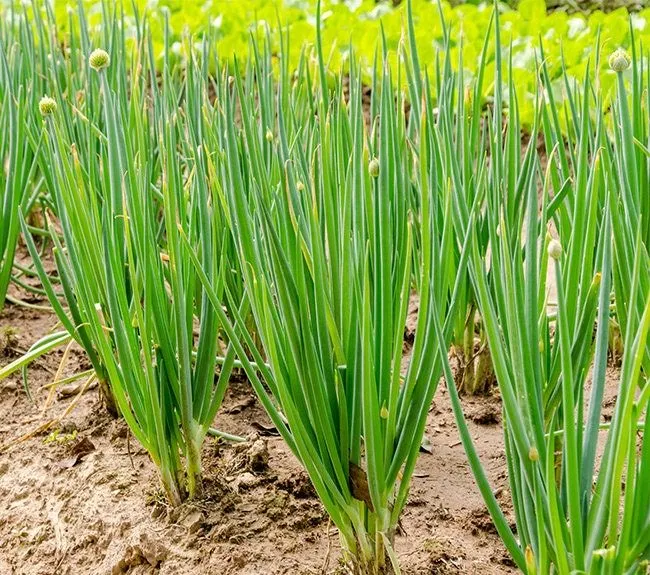
Once you’ve sourced quality garlic seeds, proper cultivation ensures maximum returns:
Timing Your Planting
Garlic takes 5-6 months to grow in Kenya, depending on variety and altitude. Plant during:
- September-October for harvest in February-March
- March-April for harvest in August-September
Avoid planting during heavy rains to prevent rot.
Soil Preparation
Garlic thrives in well-drained, fertile soils with pH 6.0-7.0. Work in:
- Well-decomposed manure (10-15 tons per acre)
- NPK fertilizer at recommended rates
- Ensure good drainage to prevent bulb rot
Spacing and Depth
Plant cloves:
- 4-6 inches apart in rows
- Rows spaced 10-12 inches apart
- 2-3 inches deep with pointed end up
- This spacing requires 800-1,000 kg of seed per acre
Weed Management
Garlic competes poorly with weeds. Maintain clean fields through:
- Regular hand weeding
- Mulching between rows
- Pre-emergence herbicides (consult agronomists)
Irrigation
Provide consistent moisture during bulb development, reducing water 2-3 weeks before harvest to improve storage quality.
Harvesting and Curing
Harvest when 50-60% of leaves turn yellow-brown. Cure bulbs in shade for 2-3 weeks before storage or sale.
Marketing Your Garlic Harvest
How do I sell my garlic? This common question has multiple answers:
- Local markets – Sell directly to consumers and retailers in weekly markets
- Wholesalers – Connect with garlic wholesalers in Kenya who distribute to supermarkets
- Export opportunities – Quality organic garlic finds markets in Middle East and Europe
- Online platforms – List your garlic for sale in Kenya on agricultural marketplaces
- Value addition – Process into garlic powder, paste, or pickled garlic for premium prices
farming.co.ke can also connect you with potential buyers and market information to maximize your returns.
FAQs About Garlic Seeds in Kenya
How much are garlic seeds in Kenya?
Garlic seeds in Kenya cost between KSh 800 and 1,800 per kilogram, depending on variety and certification, with softneck types priced lower (KSh 800–1,200/kg) and elephant garlic fetching premium rates (KSh 1,200–1,800/kg); bulk buyers can enjoy discounts of 15–20%.
What is the best garlic seed to plant in Kenya?
The best garlic seed for you depends on your location. Softneck varieties perform well in warm, low-altitude areas and store longer, while hardneck garlic thrives in cooler highlands above 1,800 meters, producing larger, more flavorful cloves. For most commercial farmers, hybrid softneck types like JKUAT-1 offer the best combination of yield and market demand.
How long does garlic take to grow in Kenya?
Garlic takes 5-6 months from planting to harvest in Kenya. The exact duration depends on variety, altitude, and growing conditions. Hardneck varieties in cooler regions may take slightly longer (6-7 months) while softneck in warmer areas may mature in 4.5-5.5 months.
Which type of garlic is easiest to grow?
Softneck garlic varieties are easiest to grow in Kenya. They adapt well to various climates, require less intensive management, tolerate warmer temperatures, and store longer than hardneck varieties. For beginner farmers, softneck garlic offers the most forgiving growing experience with reliable yields.
The foundation of successful garlic farming starts with your seed source. Don’t risk your investment on uncertified, questionable garlic bulbs. Partner with farming.co.ke to access Kenya’s most reliable network of garlic seed suppliers.
Call or WhatsApp farming.co.ke at 0727 409 419 today for:
- Current garlic seed prices and availability
- Supplier recommendations for your region
- Variety selection guidance based on your climate
- Agronomic support throughout your growing season
- Market connection for your harvest
Beyond garlic, explore our comprehensive agricultural resources including guides on where to buy chicken for farming in Kenya and doper sheep price in Kenya to diversify your farming income.
Additional Resources
For more information on garlic cultivation techniques and market insights, visit:
- Greenlife Kenya – Garlic Farming Guide
- Selina Wamucii – Garlic Price Insights and Market Trends
Profitable garlic farming comes from combining quality seeds, proper management, and good market knowledge.
Contact us today: 0727 409 419
farming.co.ke – Kenya’s Trusted Agricultural Partner Since 2014