
How to Start a Feedlot in Kenya
Are you thinking about starting a feedlot in Kenya but not sure where to begin? Feedlot farming helps farmers overcome slow growth and unpredictable prices by producing healthier cattle faster. At farming.co.ke, we guide you with proven solutions that work. Our team has walked alongside farmers from their very first step, ensuring they avoid costly mistakes. You can count on us for honest advice, practical support and dependable outcomes for your farm.
Ready to start your feedlot journey? Call or WhatsApp us at 0727409419 for expert guidance and reliable sourcing of cattle, feed, and equipment.
What is Feedlot Farming in Kenya?
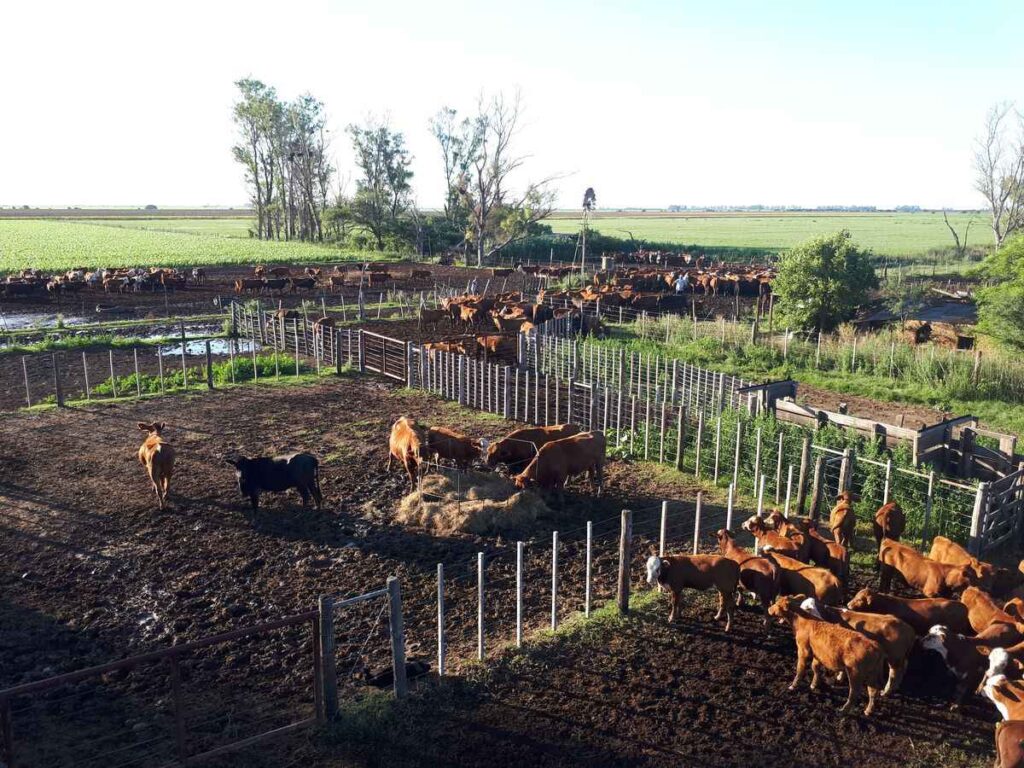
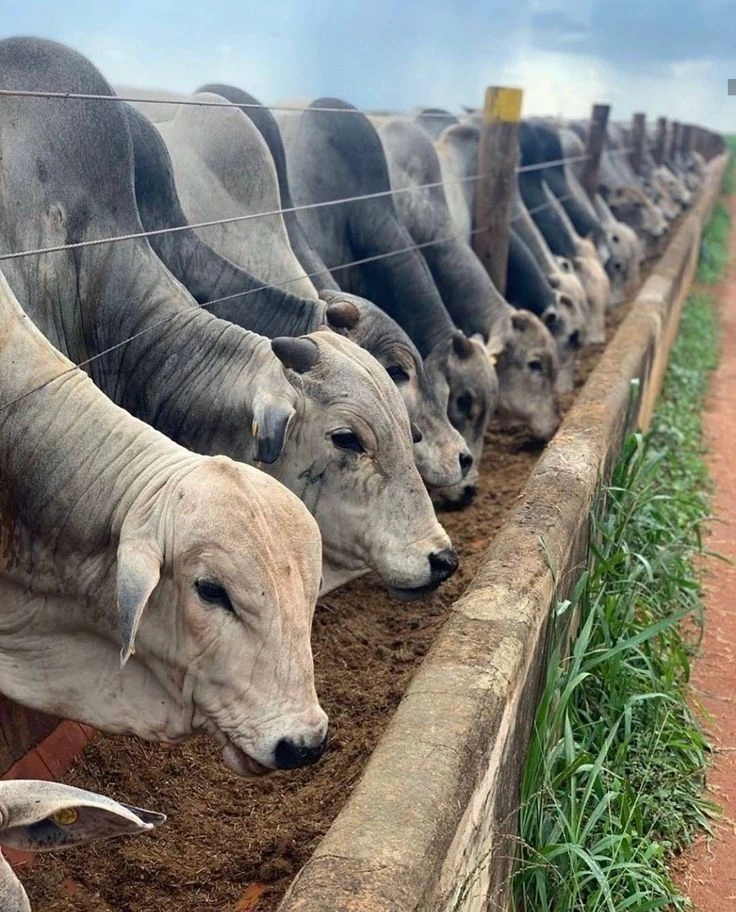
Feedlot farming is an intensive system where cattle are confined in pens and fed high-energy rations to achieve rapid weight gain. Unlike grazing systems, every aspect is controlled – feed, water and health to finish animals quickly for market.
The government is establishing 450 feedlots across 21 arid and semi arid (ASAL ) counties including Kajiado, Garissa, Laikipia, and Kitui. This addresses feed shortages, reduces farmer-pastoralist conflicts, and boosts livestock exports.
Why Feedlot Beef Farming Works in Kenya
Fast Returns: Well-managed feedlot cattle gain 1.5-2.0 kg daily. A 300 kg steer reaches market weight (450-500 kg) in 90-120 days, allowing multiple cycles yearly.
Premium Prices: Feedlot-finished cattle earn 20-35% more than grass-finished animals due to better meat quality and consistent carcass characteristics.
Year-Round Production: You supply buyers consistently regardless of seasonal challenges affecting traditional pastoral systems.
Less Land Needed: Approximately one acre handles 100 head including pens, alleys, and feed roads which are ideal for limited land.
Cattle Feedlot Requirements
Land and Location Selection
Space: Budget 100-150 square feet per animal. A 50-head operation needs 0.3-0.5 acres for pens, plus space for feed storage and handling facilities.
Site Selection: Choose slightly sloping ground (2-5%) for natural drainage. Avoid flood-prone areas. Clay soils are preferable—they’re firmer and reduce seepage.
Water Access: Non-negotiable. A 50-head operation requires 2,000-3,000 liters daily. Proximity to boreholes or reliable sources cuts costs significantly.
Location Strategy: Position near feed suppliers, livestock markets, and slaughter facilities to minimize transport costs.
Choosing the Right cattle for a feedlot
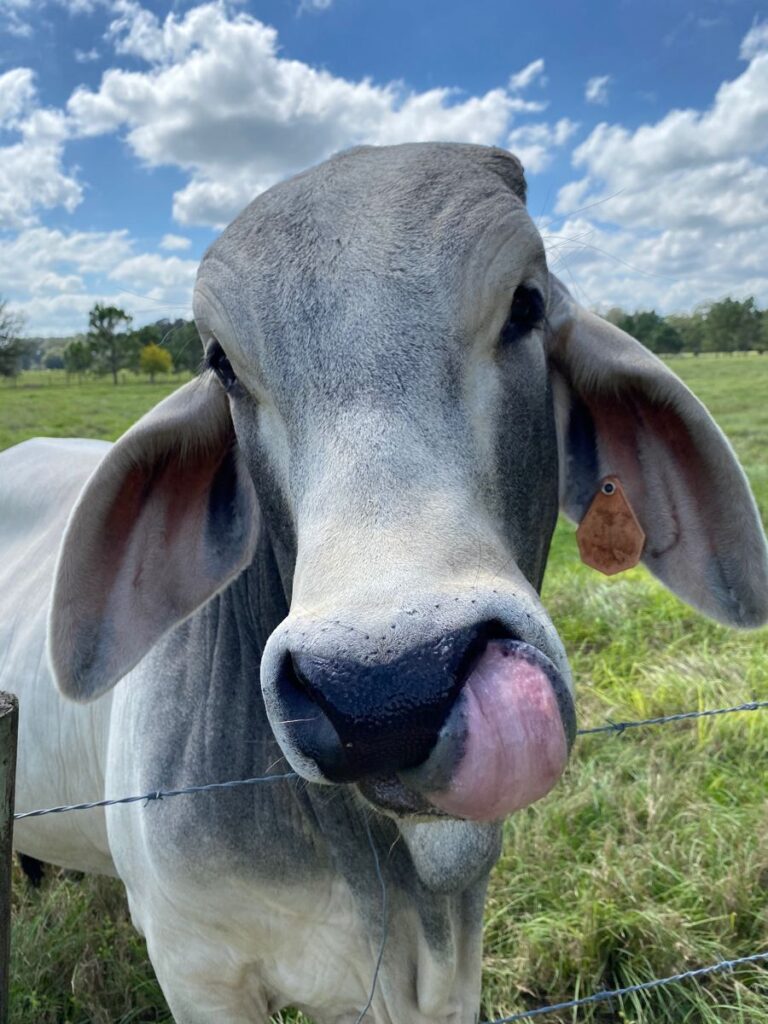
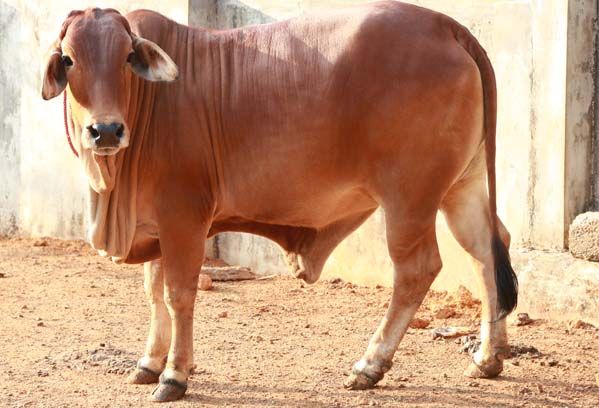
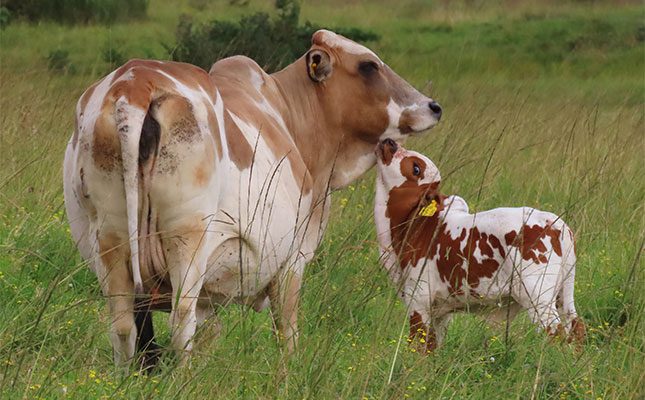
Selecting appropriate feedlot cattle is where many first-time operators stumble. Our experience sourcing cattle for hundreds of farmers has taught us that healthy, well-built animals with good growth potential deliver the best results. Starting with the right cattle sets your feedlot up for success.
Boran Steers
Kenya’s premier feedlot breed. Hardy, excellent feed conversion, and they thrive in our conditions. Mature bulls reach 500-850 kg.
Sahiwal Crossbreeds:
Sahiwal x Charolais or Sahiwal x Boran crosses perform exceptionally well, combining hybrid vigor with good frame size. Sourcing can be challenging and this is where our network comes in to help.
Target Entry Weight:
280-350 kg steers aged 18-30 months. Focus on frame size, structural soundness, and health.
Struggling to source quality cattle? We connect you with reputable suppliers across Kenya’s livestock regions. Call or WhatsApp 0727409419.
Feedlot Design and Construction
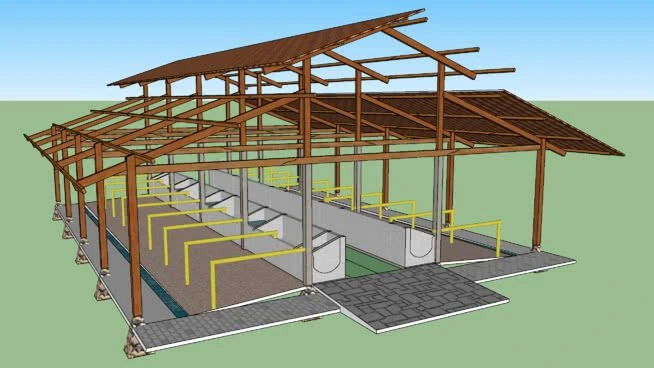
Practical Layouts of Feedlot Designs in Kenya
Pen Design
Design rectangular pens with feed bunks along one side. Orient north-south to reduce heat stress. Provide 45-60 cm of bunk space per animal.
Drainage
Install channels with 2% gradient around pens. Good drainage prevents hoof problems and maintains hygiene.
Handling Facilities
Include crowding pen, single-file race, and crush for safe health checks and loading.
Shade
Cover 30-40% of pen space. This Reduces heat stress and maintains consistent feed intake which is especially important in warmer regions.
Essential Facilities Beyond Pens
Feed Storage: Weather-proof storage for 7-14 days inventory. Elevated platforms prevent moisture and rodent damage.
Water Systems: Provide 40-60 liters per animal daily. Automatic float valves reduce labor. Install elevated storage tanks (minimum 10,000 liters for 50-head).
Quarantine Area: Separate pen for incoming cattle. Allow 14-21 days for observation and treatment before introducing to main pens.
How Much Does it Cost to Start a Feedlot in Kenya?
This question tops every farmer’s list, and rightfully so. Based on current 2025 market rates and our experience establishing feedlots across Kenya, here’s a realistic breakdown:
Basic Setup Costs (50-Head Capacity)
Infrastructure Development:
- Land preparation and fencing: KES 80,000 – 150,000
- Pen construction (using local materials): KES 200,000 – 350,000
- Feed bunks and water troughs: KES 60,000 – 100,000
- Shade structures: KES 80,000 – 120,000
- Feed storage facility: KES 60,000 – 100,000
- Handling crush and facilities: KES 80,000 – 150,000
- Water system and storage: KES 90,000 – 150,000
Total Infrastructure: KES 650,000 – 1,120,000
This aligns with industry standards indicating that a simple feedlot accommodating 50 bulls costs approximately KES 650,000 using locally available materials.
Operational Capital Requirements
Initial Cattle Purchase: At an average purchase price of KES 40,000 – 55,000 per steer (300 kg), budget KES 2,000,000 – 2,750,000 for 50 head.
Feed Costs: Daily feed requirements average 3-4% of body weight, costing approximately KES 150-200 per animal per day. For a 90-day finishing cycle with 50 cattle, budget KES 675,000 – 900,000 for feed.
Health and Management: Allow KES 2,000 – 3,000 per animal for veterinary care, supplements, and labor costs throughout the finishing period.
Total Startup Investment (50 Head): Expect KES 3,500,000 – 5,000,000 covering infrastructure, initial cattle purchase, and first-cycle operational costs.
Want to optimize your startup budget? Our team can help you source quality materials and cattle at competitive prices. Call or WhatsApp 0727409419 for personalized cost planning.
Is a Feedlot Profitable?
With proper management, yes. Here’s a typical scenario (estimates):
Revenue Potential: A 300 kg steer gaining 1.5 kg daily over 100 days reaches 450 kg. At market prices of KES 350-400 per kg live weight, gross revenue ranges from KES 157,500 – 180,000 per animal.
Profit Margins: After deducting purchase costs (KES 45,000), feed costs (KES 15,000-20,000), and other expenses (KES 5,000), net profit typically ranges from KES 10,000 – 25,000 per head, translating to 15-30% returns on investment per cycle.
Annual Capacity: With three 100-day cycles possible annually (allowing for turnover time), a 50-head feedlot could generate gross profits of KES 500,000 – 1,250,000 per year once established.
Success requires attention to detail – feed quality, health management, and market timing significantly impact profitability. This is where our decade of experience helps farmers avoid costly mistakes.
Feedlot Feed in Kenya
Feed represents 60-70% of operational costs in feedlot beef farming in Kenya, making nutritional management critical. Here’s what works in our climate:
Feed Ration Components
Concentrate Rations: High-energy concentrates form the foundation of feedlot feed. Typical Kenyan rations include:
- Maize (whole or cracked): 40-50% of ration
- Wheat pollard or wheat bran: 20-25%
- Cotton seed cake or sunflower cake: 15-20%
- Molasses: 5-8% (energy and palatability)
- Mineral and vitamin premix: 2-3%
- Salt: 0.5-1%
Roughage Requirements: Include 15-25% roughage (hay, silage, or Napier grass) to maintain rumen health and prevent acidosis. Never go below 10% roughage even in intensive finishing phases.
Water: Constant access to clean water is essential. Animals in intensive feeding can consume 40-60 liters daily depending on ambient temperature and diet composition.
A steady supply of quality feed is essential for faster finishing in feedlots. Silage remains one of the most cost-effective and nutritious options for fattening cattle. Learn more about where to buy silage in Kenya to keep your feedlot running smoothly.
Feeding Management Practices
Adaptation Period: New cattle need 14-21 days transitioning from forage to concentrates. Start with 70% roughage, gradually increase concentrates.
Feeding Schedule: Twice daily (morning and late afternoon) for optimal rumen function.
Quality Control: Only use fresh, uncontaminated ingredients. Moldy feed causes serious problems.
How to Fatten Cattle in 3 Months? Start with proper entry weights (280-350 kg), use high-quality concentrates, ensure constant feed and water access, maintain excellent health protocols, and minimize stress. Animals can realistically gain 135-180 kg over 90 days.
Need help with cost-effective rations? Call or WhatsApp 0727409419 for nutritionist connections and feed supplier referrals.
Need help formulating cost-effective rations? Call or WhatsApp 0727409419 – we’ll connect you with nutritionists and reliable feed suppliers.
Health Management and Disease Prevention
Animal health directly impacts profitability. Our experience shows that feedlots with strong health protocols consistently outperform those with reactive approaches:
Pre-Entry Protocols
Before introducing cattle to your feedlot, implement comprehensive health screening. Deworm all animals, vaccinate against common diseases (FMD, ECF, blackquarter, anthrax), and treat for external parasites. This upfront investment prevents disease spread and maintains herd health.
Daily Monitoring
Train your staff to identify early warning signs – reduced feed intake, lethargy, nasal discharge, or abnormal manure consistency. Early intervention prevents minor issues from becoming expensive problems.
Veterinary Support
Establish relationships with qualified veterinarians experienced in feedlot operations. Budget for routine visits and emergency call-outs. Prevention costs far less than treatment.
How Long Do Cows Live on Feedlots?
In Kenya’s context, cattle aren’t permanently housed in feedlots. The typical finishing period lasts 90-150 days, after which animals are marketed. This concentrated finishing phase allows multiple production cycles annually while maintaining animal welfare standards.
The Advantage of Sourcing with Farming.co.ke
Starting a feedlot requires reliable suppliers, and this is where many farmers face challenges. Over the past ten years, we’ve built an extensive network of trusted cattle suppliers, feed mills, equipment providers, and service professionals across Kenya.
Our Sourcing Support Includes:
- Identifying quality feedlot cattle meeting your specifications for breed, weight, and condition
- Conducting pre-purchase assessments to verify animal health and suitability
- Negotiating competitive prices leveraging our established supplier relationships
- Coordinating transportation from source to your facility
- Connecting you with reputable feed suppliers offering quality products at competitive rates
- Sourcing specialized equipment and infrastructure materials
We don’t own the cattle, feed, or equipment – but our reputation depends on connecting you with reliable suppliers who deliver what they promise. Think of us as your trusted advisor ensuring you make informed decisions and avoid common pitfalls.
Starting your feedlot? Let’s discuss your specific requirements. Call or WhatsApp 0727409419 for a no-obligation consultation.
Feedlot Business Plan Support
No successful feedlot operation starts without a solid plan. We assist farmers in developing comprehensive business plans covering:
Production Planning: This entails Optimal herd size, production cycles, market timing.
Financial Projections: Detailed cost analysis, cash flow planning, break-even analysis.
Risk Management: Identifying challenges (disease, feed prices, market access) and mitigation strategies.
Market Strategy: Identifying buyers, establishing relationships, pricing strategies.
Call or WhatsApp 0727 409 419 If you need help with your business plan.
Marketing Your Feedlot Cattle
Having quality finished cattle means nothing without reliable market access. Here’s where our industry connections prove invaluable:
Buyer Relationships: We maintain connections with major abattoirs, export processors, and commercial butcheries seeking finished cattle.
Market Timing: Premium prices occur during festive seasons (December, Easter) and dry seasons when grass-finished cattle are scarce.
Quality Standards: Meet buyer specifications for weight (450-550 kg), age (under 36 months), and health documentation for premium pricing.
Common Questions About Starting a Feedlot in Kenya
What is the Ideal Size for a Feedlot?
First-time feedlot operators should start with 20–50 head, then expand to 100–200+ as experience and capital increase..
What are the Negatives of Feedlots?
Feedlots face high costs, disease risks, manure challenges, and price volatility, but good management can reduce these issues.
What is the Average Capacity of a Feedlot?
In Kenya, feedlots range from 20–50 head (small-scale) to 50–150 (medium) and 200–500+ (commercial), with the ideal size depending on capital, management, and market access.
How Do Feedlots Work?
Feedlots raise steers from 280–350 kg to 450–550 kg in 90–150 days with high-energy feed, then sell to processors or butcheries.
Where are Feedlots Located?
In Kenya, about 85% of feedlots are in ASAL regions like Kajiado, Garissa, Laikipia, Kitui, Taita Taveta, and Kwale, while 15% are in highlands such as Nyeri and Naivasha near major markets.
Learning From Pioneer Feedlot Kenya Operations
Established operations in Kajiado, Naivasha, and elsewhere prove this model works with proper management, consistent quality, and strong buyer relationships.
Successful operators share common characteristics like attention to feeding details, proactive health protocols, accurate record-keeping, and focus on precise market specifications. They’ve invested time building supplier and buyer relationships that buffer market volatility.
You can also explore detailed livestock production guides at ILRI’s Knowledge Resources and stay updated on Kenya’s livestock sector developments through the Kenya Livestock Marketing Council.
Why Choose Farming.co.ke as Your Feedlot Partner?
Our decade-plus experience in Kenya’s livestock sector means we’ve seen what works and what doesn’t. We’ve helped farmers avoid expensive mistakes, connected them with reliable suppliers, and guided them through their first successful production cycles.
Our Value Proposition:
- Deep Industry Knowledge: Over ten years working specifically with Kenya’s livestock sector
- Extensive Network: Established relationships with cattle suppliers, feed mills, veterinarians, equipment providers, and buyers nationwide
- Quality Assurance: We help verify cattle health, feed quality, and equipment standards before you commit
- Practical Guidance: Real-world advice based on successful operations we’ve supported
- Ongoing Support: We don’t disappear after the initial setup – we’re available as your operation grows
Starting a feedlot represents a significant investment, and you deserve a partner who understands both the opportunities and challenges. Call or WhatsApp 0727409419 to discuss how we can support your feedlot journey.
For more information on agricultural opportunities in Kenya, visit our comprehensive farming resource hub at Farming.co.ke.