Dorper Sheep Price in Kenya & Trusted Sellers
At Farming.co.ke, we’ve compiled verified, up-to-date Dorper sheep prices from registered breeders across Kenya. With over 10 years connecting farmers with quality livestock, we help you avoid overpriced animals and fraudulent sellers.
Call or WhatsApp us today at 0727409419 to connect with verified Dorper sheep sellers in your region.
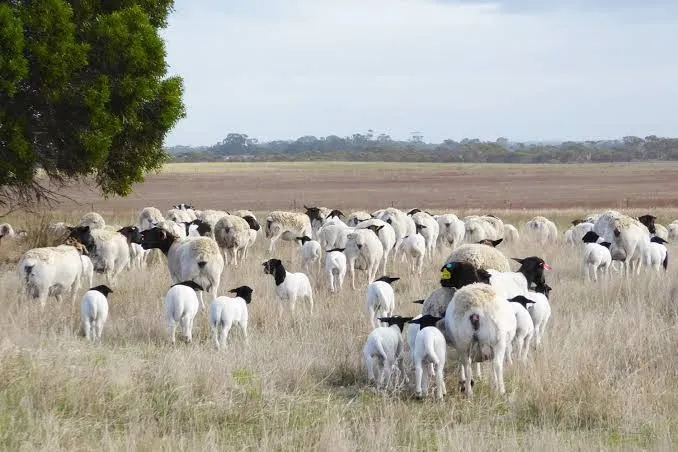
Dorper Sheep Price in Kenya (2026 Updated Rates)
Here’s what you can expect to pay for Dorper sheep in Kenya based on verified 2026 market data:
| Category | Type/Age Group | Price Range (Ksh) |
| Breeding Stock: Ewes | Young Ewes (8–12 months) | 10,000 – 15,000 |
| Mature Breeding Ewes | 15,000 – 30,000 | |
| Premium Quality / High-Fertility | 25,000 – 40,000 | |
| Pregnant Ewes | 12,500 – 13,500 | |
| Breeding Stock: Rams | Young Rams (8–12 months) | 14,000 – 25,000 |
| Mature Breeding Rams | 30,000 – 60,000 | |
| Registered Purebred Rams | 45,000 – 100,000 | |
| Premium Genetic Lines | 80,000 – 150,000 | |
| Meat Production: Lambs | 4–5 months old | 5,500 – 8,000 |
| 7 months old | 8,000 – 10,000 | |
| 10 months old | 10,000 – 12,500 | |
| Meat Production: Mature | Market-ready (6–8 months) | 10,000 – 15,000 |
| Mature Animals (12+ months) | 20,000 – 30,000 | |
| Large Mature Rams/Ewes | 25,000 – 35,000 |
A mature Dorper sheep typically weighs 50-80 kg for ewes and 90-140 kg for rams. The dressed weight (actual meat after slaughter) is approximately 50-55% of live weight.
Need help finding the right Dorper sheep within your budget? Our team at Farming.co.ke has cultivated relationships with trusted breeders nationwide.Contact us at 0727409419 for personalized assistance and current availability in your area.
Factors Influencing Dorper Sheep Prices in Kenya
Several key factors determine how much you’ll pay for Dorper sheep:
Breed Purity: Purebred, registered Dorpers command premium prices due to predictable genetics and superior performance. Crossbreeds are more affordable but may not exhibit all desired traits.
Age and Development: Younger animals cost less initially but require more time to reach productivity. Mature, production-ready animals justify higher prices through immediate returns.
Purpose of Purchase: Breeding stock with verified fertility records costs significantly more than animals destined for meat production.
Health and Vaccination Status: Disease-free animals from reputable farms with complete vaccination records warrant higher prices due to reduced health risks.
Location and Availability: Prices vary by region. Areas with established Dorper farms like Kajiado, Narok, and Laikipia often offer better rates than regions where the breed is scarce.
Market Demand: Seasonal fluctuations, especially around holidays and festivals, can impact pricing.
Dorper Sheep for Sale in Nakuru
Nakuru County has emerged as a significant hub for Dorper sheep farming in Kenya. The region’s favorable climate and established livestock markets make it ideal for both breeding and commercial Dorper operations.
What to expect when buying Dorper sheep in Nakuru:
- Competitive pricing due to multiple established breeders
- Access to both purebred and quality crossbreeds
- Well-developed livestock markets and auction facilities
- Proximity to major transport routes for easy delivery
Typical prices in Nakuru range from Ksh 10,000 for young lambs to Ksh 60,000 for premium breeding rams.
Want to connect with verified Dorper sellers in Nakuru? Call us at 0727409419 for introductions to trusted breeders who deliver quality animals.
Dorper Sheep Farming in Kenya: Complete Guide
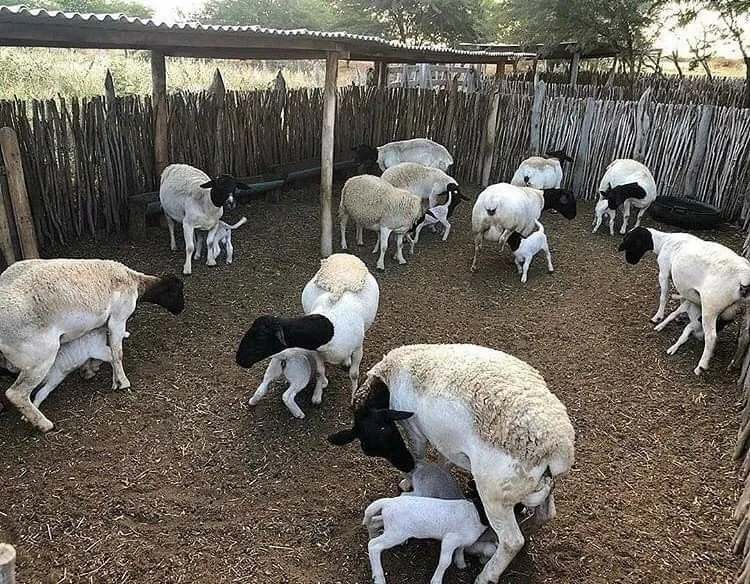
Starting Your Dorper Sheep Farm
Successful Dorper sheep farming requires proper planning and management. Here’s what you need to know:
Land Requirements:
- Natural pasture: 5-10 sheep per acre
- Improved pasture with supplements: 15-20 sheep per acre
- Zero-grazing systems: Higher densities possible with adequate housing
Initial Investment Breakdown:
- Breeding stock (5 ewes, 1 ram): Ksh 80,000 – 200,000
- Housing and infrastructure: Ksh 50,000 – 150,000
- Fencing and water systems: Ksh 30,000 – 100,000
- Initial feed and veterinary costs: Ksh 20,000 – 50,000
Dorper Sheep Housing Requirements
Proper housing protects your flock from harsh weather and predators while maintaining health:
- Provide 20-25 square feet per adult sheep
- Ensure adequate ventilation to prevent respiratory issues
- Include separate pens for lambing and sick animals
- Use raised wooden floors or well-drained surfaces
- Install secure fencing (minimum 4 feet high)
- Provide shade structures for outdoor areas
Feeding Dorper Sheep
While Dorpers are hardy grazers, optimal nutrition maximizes growth and profitability:
Primary Feed Sources:
- Quality pasture remains the most economical feed option
- Grass hay during dry seasons maintains nutritional intake
- Browse and shrubs provide dietary variety
Supplementary Feeding:
- Dairy meal or commercial sheep concentrates (200-300g daily)
- Mineral blocks for essential nutrients
- Clean water available at all times (5-10 liters per day)
Pregnant and lactating ewes require additional protein and energy supplements.
Dorper Sheep Gestation and Breeding
Understanding reproduction basics is crucial for breeding success:
Gestation Period: 147 days (approximately 5 months)
Sexual Maturity:
- Ewes: 6-8 months (breeding recommended at 10-12 months)
- Rams: 8 months (full breeding capacity at 12 months)
Breeding Cycle:
- Estrus cycle: Every 16-17 days
- Breeding season: Year-round (not seasonally restricted)
- Lambing interval: 8 months average
Reproductive Performance:
- Fertility rate: 78-80%
- Twinning rate: 10-15%
- Average litter size: 1-2 lambs (occasionally 3)
- Annual production: 2+ lambs per ewe possible
Dorper Sheep for Sale in Eldoret
Eldoret and the broader Uasin Gishu region host numerous Dorper sheep farmers serving the western Kenya market. The area’s cooler climate proves Dorpers’ adaptability beyond arid zones.
Eldoret Dorper Market Characteristics:
- Growing number of commercial Dorper farms
- Strong demand from both local and export markets
- Prices comparable to other major livestock centers
- Good access to veterinary services and feed suppliers
Expect to pay Ksh 12,000-15,000 for young breeding stock and Ksh 40,000-70,000 for quality breeding rams.
Ready to buy Dorper sheep in Eldoret? Our network includes reliable suppliers in the region. Reach out at 0727409419 for current stock availability.
Black Dorper Sheep vs. White Dorper
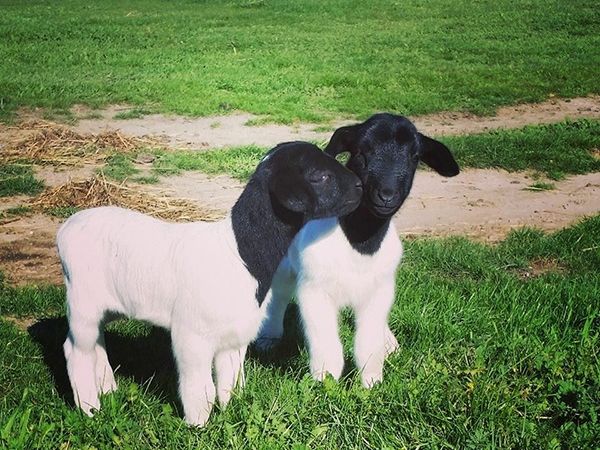
Dorper sheep come in two distinct color varieties:
Black Dorper (Most Common):
- Black head and neck with white body
- Standard variety seen in most Kenyan farms
- Identical performance characteristics to White Dorper
White Dorper:
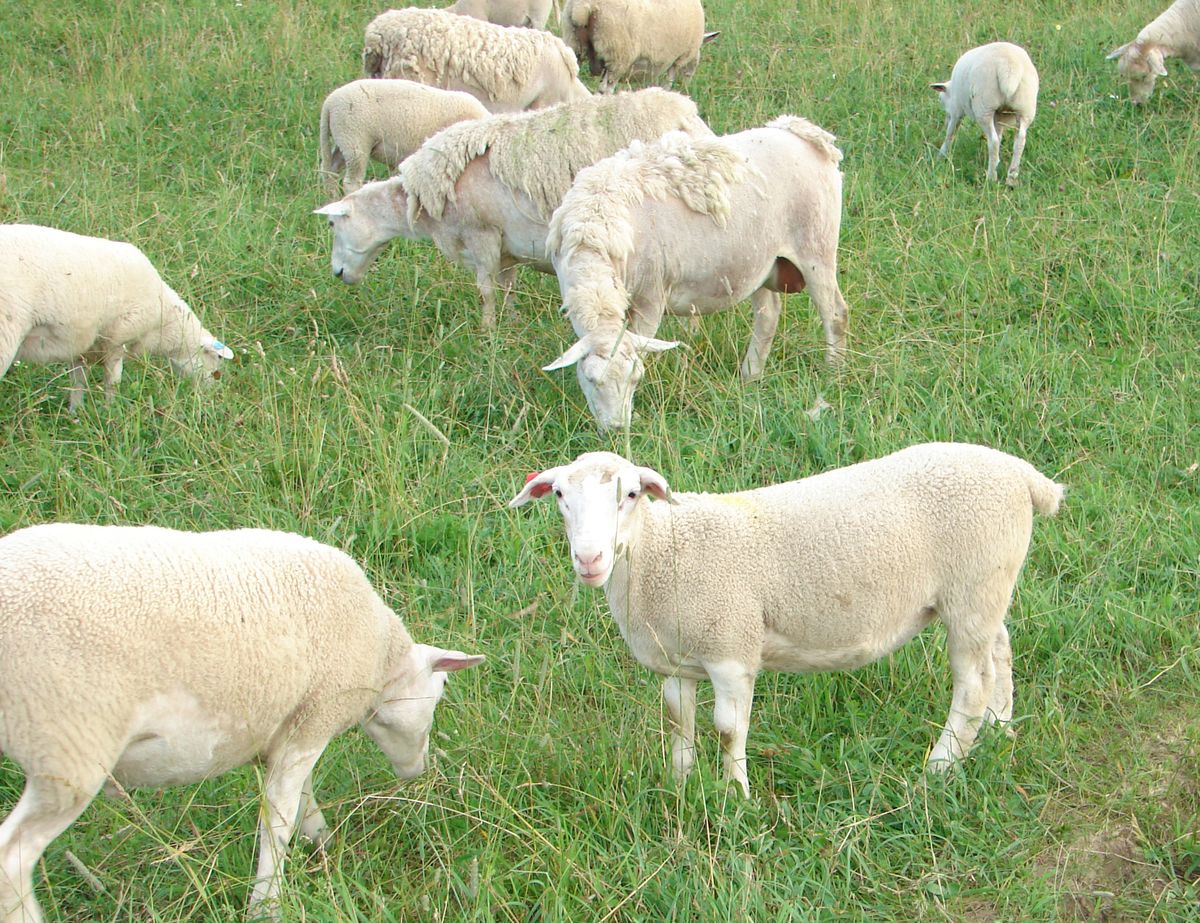
- Completely white coloration
- Less common but equally productive
- Some premium buyers prefer this variety
- Slightly higher prices in some markets
Both varieties share identical traits: hardiness, fast growth, quality meat production, and adaptability. Color preference is purely aesthetic with no impact on performance or profitability.
Dorper Sheep Weight and Size Guide
Understanding growth patterns helps in management decisions:
Weight by Age:
- Birth: 3-4 kg average
- 4 months: 30-36 kg (market weight)
- 6 months: 40-50 kg
- 8 months: 50-60 kg
- Mature ewes: 50-80 kg
- Mature rams: 90-140 kg
Physical Characteristics:
- Medium to large-framed sheep
- Muscular build with broad back
- Short, shedding coat (wool-free)
- Strong legs suitable for extensive grazing
Dorper Sheep Breeders Society of Kenya
The Dorper Sheep Breeders Society of Kenya (DSBSK) maintains breed standards and supports quality breeding programs. Registered breeders adhere to strict genetic and health protocols, ensuring buyers receive genuine, quality animals.
Benefits of Buying from Registered Breeders:
- Verified pedigrees and breeding records
- Health certifications and vaccination history
- Genetic diversity management to prevent inbreeding
- Post-purchase support and breeding advice
- Access to the official breeder network
Finding Registered Breeders:
- Contact DSBSK directly for breeder lists
- Look for membership certificates when visiting farms
- Request registration papers for purebred animals
At Farming.co.ke, we prioritize connecting you with DSBSK-registered breeders and other verified sellers. Call 0727409419 to ensure you’re buying from legitimate sources.
Dorper Sheep Farming Profitability in Kenya
Dorper farming offers attractive returns for well-managed operations:
Revenue Potential:
- Meat sales: Ksh 20,000-30,000 per mature animal
- Breeding stock sales: Ksh 15,000-100,000+ per animal
- Annual output: 2+ lambs per ewe
Sample Enterprise Budget (10 Ewes, 1 Ram):
- Initial investment: Ksh 180,000-300,000
- Annual feed costs: Ksh 60,000-100,000
- Veterinary and misc.: Ksh 30,000-50,000
- Expected annual revenue: Ksh 400,000-600,000
- Potential annual profit: Ksh 200,000-350,000
Break-even timeline: Most well-managed farms break even within 12-18 months.
Success factors for profitability:
- Starting with quality breeding stock
- Proper nutrition management
- Disease prevention and control
- Good record-keeping
- Market connections for premium prices
Why Trust Farming.co.ke for Dorper Sheep Purchases?
At Farming.co.ke, we’ve spent over a decade building Kenya’s most trusted agricultural network. Here’s what sets us apart:
10+ Years of Industry Experience: We’ve connected thousands of farmers with quality livestock, learning exactly what works and what doesn’t in Kenya’s market.
Verified Seller Network: Every breeder in our network undergoes thorough vetting. We check farm credentials, animal health records, and customer reviews before making introductions.
Quality Assurance: We guide buyers through animal inspection, helping identify pure breeds and healthy animals. Our team knows what to look for.
Price Transparency: No hidden costs or inflated prices. We provide current market rates so you can negotiate fairly.
Post-Purchase Support: Our relationship doesn’t end at sale. We offer ongoing advice on management, feeding, and marketing.
Nationwide Reach: Whether you’re in Nairobi, Nakuru, Eldoret, Kajiado, or anywhere in Kenya, we connect you with nearby verified sellers.
No Middleman Markup: We connect you directly with breeders, helping you save money while ensuring breeders get fair prices.
Related Resources for Kenya Farmers
Expand your agricultural knowledge with these helpful guides:
- Feedlot Farming in Kenya: Maximize livestock weight gain with intensive feeding systems
- Buying Dairy Cows in Kenya: Complete guide to dairy cattle acquisition and management
- Farming.co.ke offers reliable dairy equipment sourcing in Kenya and expert dairy equipment repair services in Kenya, ensuring farmers get quality machines and fast technical support when they need it most
Frequently Asked Questions About Dorper Sheep in Kenya
What is the average Dorper sheep price in Kenya in 2025?
Average prices range from Ksh 10,000-15,000 for young breeding ewes, Ksh 30,000-60,000 for breeding rams, and Ksh 20,000-30,000 for mature animals ready for slaughter. Prices vary based on age, quality, and purpose.
How do I identify a pure Dorper sheep?
Pure Dorper sheep have a black head, white body, muscular build, and short coat. Buy only from DSBSK-certified breeders and verify papers, pedigree, and body shape.Contact Farming.co.ke at 0727409419 for connections to trusted Dorper sheep sellers across Kenya.
Are Dorper sheep profitable in Kenya?
Yes, Dorper sheep farming is highly profitable in Kenya. With good management, a flock of 10 ewes can earn Ksh 200,000–350,000 per year. Their fast growth, high fertility, strong meat demand, and low upkeep make Dorpers a smart investment, with most farms breaking even in 12–18 months.
Where can I find registered Dorper breeders in Kenya?
Contact the Dorper Sheep Breeders Society of Kenya (DSBSK) for a list of registered breeders. Major breeding areas include Kajiado, Narok, Nakuru, Laikipia, Nanyuki, and Eldoret. For verified links to both registered and non-registered quality breeders across Kenya, contact Farming.co.ke at 0727409419 for trusted seller connections.
Farming.co.ke – Kenya’s Trusted Partner for Agricultural Success Since 2014