
Where to Buy Wambugu Apple Seedlings in Kenya
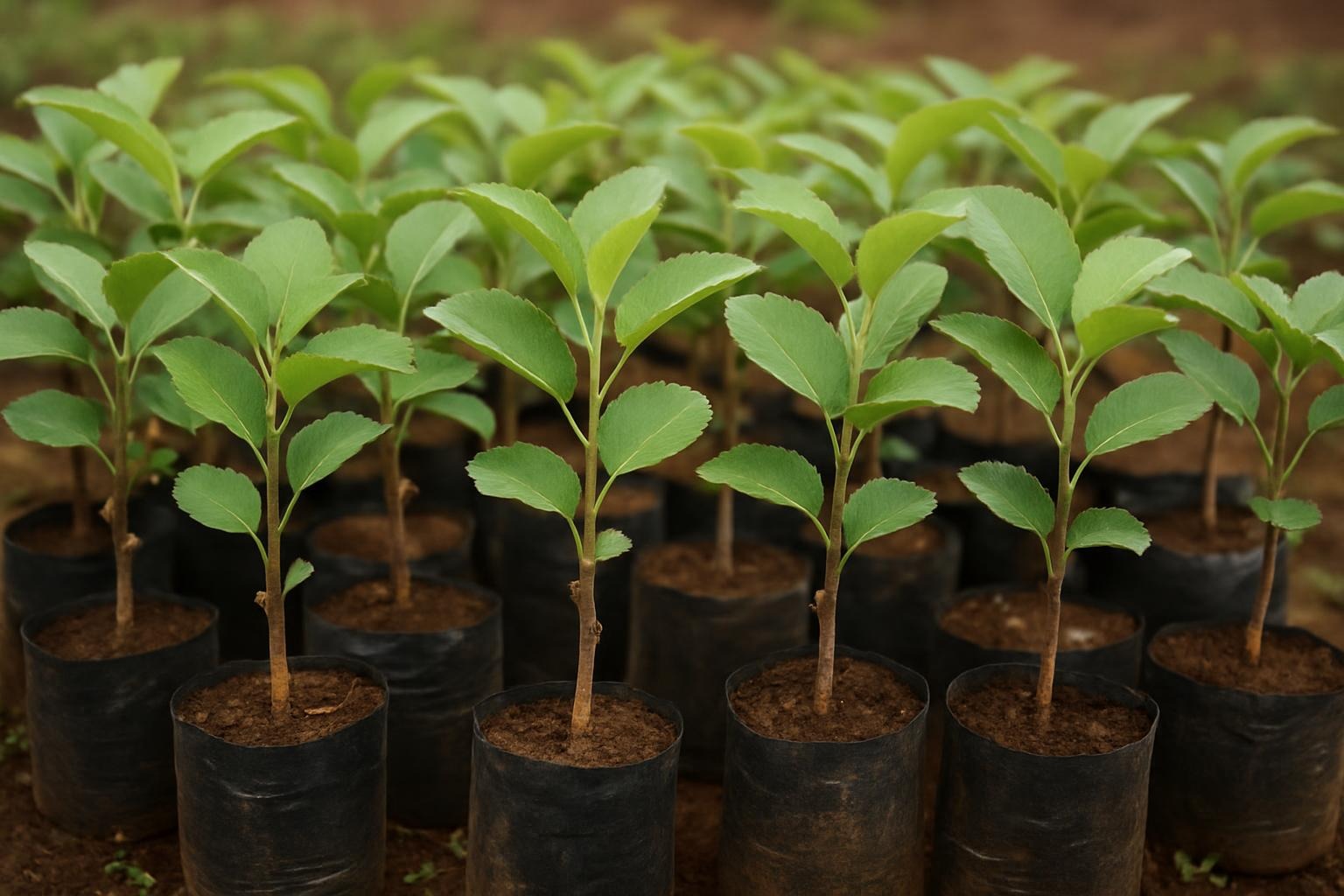
Are you searching for genuine Wambugu apple seedlings that are not from fake suppliers or overpriced options? Many Kenyan farmers buy low-quality seedlings that never fruit or die within months. The good news is, finding trusted and verified suppliers of healthy Wambugu apple seedlings in Kenya doesn’t have to be difficult.
At farming.co.ke, we connect you with trusted suppliers who provide certified, high-yielding Wambugu apple seedlings near you and across the country. Whether you’re starting a small backyard orchard or planning commercial Wambugu apple farming in Kenya, we’re here to guide you every step of the way.
What Are Wambugu Apples and Why Grow Them?
Wambugu apples are a climate-resilient variety developed by Kenyan innovator Peter Wambugu, specifically adapted to thrive in tropical and semi-arid conditions across Kenya.
Unlike imported varieties that struggle in Kenya’s warm climate, Wambugu apples flourish from highland areas like Nyeri to semi-arid regions like Makueni.
Why Wambugu apple farming is booming in Kenya
- Fast maturity: Seedlings begin fruiting in just 9 months after planting
- High yields: Each tree can produce up to 500 fruits annually
- Excellent profitability: One acre with 450–500 trees can generate over KSh 1,000,000 annually after the second or third year
- Multiple harvests: Trees can produce twice yearly with proper management
- Climate adaptability: Grows well across diverse Kenyan regions
How Much Do Wambugu Apple Seedlings Cost in Kenya?
Understanding the current market prices for Wambugu apple seedlings helps you plan your investment properly. Based on recent 2025 market data, here’s what you can expect:
Current Wambugu Apple Seedling Prices
Certified Wambugu apple seedlings typically cost between KSh 250–350 per seedling from reputable suppliers. However, prices can vary depending on:
- Seedling quality and age: Younger seedlings are cheaper; potted, mature seedlings cost more
- Supplier location: Prices vary by region and transport costs
- Order quantity: Bulk orders often attract discounts
- Certification status: KEPHIS-certified seedlings may cost slightly more but guarantee quality
For comparison, other grafted apple varieties in Kenya range from KSh 500–600 per seedling, making Wambugu apples a cost-effective choice for farmers.
Where to Buy Wambugu Apple Seedlings in Kenya
Finding reliable sources for Wambugu apple seedlings is crucial for your farming success. Here are your best options:
1. Farming.co.ke – Your Trusted Partner
We connect farmers with certified Wambugu apple seedling suppliers across Kenya. Our network includes:
- Government-certified nurseries
- KEPHIS-approved propagators
- Experienced horticultural suppliers
Contact us at 0727409419 to get connected with verified suppliers in your region.
2. Certified Nurseries and Agro-Input Suppliers
Several reputable nurseries in Kenya specialize in Wambugu apple seedlings:
- Murang’a and Nyeri regions: These areas host several certified nurseries with extensive experience in fruit tree propagation
- Kiambu County: Multiple agro-input dealers stock certified apple seedlings
- Nairobi: Various agricultural supply stores offer delivery services countrywide
Always verify that seedlings are certified by KEPHIS to ensure they are disease-free and true to the Wambugu variety.
3. Online Agricultural Platforms
You can also explore online platforms that list Wambugu apple seedlings from various verified suppliers. However, always verify the seller’s credentials before making payment.
Beware of unverified online sellers offering suspiciously cheap seedlings. These often result in poor germination rates or wrong varieties.
How Many Wambugu Apples Per Acre in Kenya?
Proper spacing is essential for maximizing your Wambugu apple yield per tree and overall farm profitability.
Recommended Spacing and Tree Density
The recommended spacing for Wambugu apple trees is 3m x 3m, which allows you to plant 450 to 500 trees per acre. This spacing ensures:
- Adequate sunlight penetration for all trees
- Sufficient room for tree growth and canopy development
- Easy access for farm management activities like weeding, pruning, and harvesting
- Good air circulation to reduce disease pressure
Some farmers use tighter spacing of 2.5m x 3m for higher density planting, accommodating up to 533 trees per acre. However, this requires more intensive management.
Expected Yield Per Acre
With proper care, one acre of Wambugu apples can yield between 40,000–60,000 apples annually. At average market prices of KSh 20–30 per apple, this translates to gross earnings of KSh 800,000 to KSh 1,800,000 per acre per year.
How to Grow Wambugu Apples Successfully
Site Selection and Soil Preparation
Choose a location with:
- Well-drained loamy soil
- Full sunlight exposure (at least 6-8 hours daily)
- Good air circulation
- Access to water for irrigation
Wambugu apples thrive in slightly acidic soil with a pH level between 6.0 and 7.0. Conduct a soil test and amend as necessary before planting.
Planting Your Wambugu Apple Seedlings
Follow these steps for successful establishment:
- Timing: The best months to plant apple trees in Kenya are at the onset of the rainy season (March-May or October-November)
- Hole preparation: Dig planting holes 60cm x 60cm x 60cm (2 feet deep and wide)
- Soil mixing: Mix topsoil with 15-20 kg of well-decomposed manure and 100g of organic fertilizer
- Planting: Position the seedling so the graft union is 10-15 cm above soil level, then backfill with the soil-manure mixture
- Initial watering: Water thoroughly immediately after planting to settle the soil
Watering Apple Trees
The best way to water apple trees is through drip irrigation, which ensures:
- Precise water delivery to root zones
- Efficient water use and conservation
- Reduced disease pressure from wet foliage
- Consistent soil moisture levels
Young trees need regular watering (2-3 times weekly during dry seasons). Mature trees are more drought-tolerant but still require adequate moisture, especially during flowering and fruit development.
Too much water is bad for apple trees, as it can lead to root rot and fungal diseases. Ensure proper drainage and avoid waterlogging.
Best Fertilizer for Apple Trees
One month after planting, apply urea or CAN to provide nitrogen for growth. In subsequent years, apply farmyard manure, CAN at 125g per tree, and DAP at 150g per tree in 2-3 splits annually.
For organic farmers, composted cow dung, sheep, goat, or chicken manure works excellently.
What Not to Plant Next to Apple Trees
Avoid planting these near your Wambugu apples:
- Walnut trees: They release chemicals toxic to apple trees
- Grass: Competes heavily for nutrients and water
- Potatoes and tomatoes: Share similar diseases that can cross-infect
Instead, consider companion plants like clover, comfrey, or nasturtiums that improve soil health and attract beneficial insects.
How Long Does Wambugu Apple Take to Mature?
Wambugu apple trees begin producing fruit in approximately 9 months after planting. This is significantly faster than traditional apple varieties, which can take 3-5 years to bear fruit.
However, trees reach peak production at 3-5 years of age when they’re fully established. With proper management, including pruning and adequate fertilization, your Wambugu apple trees can remain productive for 15-20 years or more.
Investment Costs for Wambugu Apple Farming
Planning your budget is essential. Here’s what you’ll need for one acre:
- Land preparation: KSh 30,000–70,000
- Seedlings (450 trees at KSh 300 average): KSh 135,000
- Manure and organic fertilizer: KSh 20,000–30,000
- Drip irrigation system: KSh 50,000–100,000
- Labor and miscellaneous: KSh 30,000–50,000
Total initial investment: Approximately KSh 265,000–385,000 per acre
This investment can generate returns of over KSh 1,000,000 annually by the third year which could be a remarkable return on investment.
Why Trust Farming.co.ke?
We understand that investing in seedlings is a significant financial commitment. That’s why we’ve built our reputation on:
- Verified Suppliers Only: We connect you with KEPHIS-certified nurseries and trusted propagators
- Transparent Pricing: No hidden costs or inflated prices—you get fair market rates
- Expert Guidance: Our team provides free technical support on planting, care, and management
- Success Stories: We’ve helped hundreds of Kenyan farmers successfully establish profitable orchards
- Nationwide Network: Whether you’re in Nairobi, Nyeri, Nakuru, Eldoret, or Mombasa, we connect you with suppliers near you
- After-Sales Support: We don’t disappear after you buy. We’re here to support your farming journey
Frequently Asked Questions About Wambugu Apple Seedlings
How long do Wambugu apples take to grow from seedling to mature tree?
Wambugu apple seedlings start fruiting in 9 months, but reach full maturity and peak production in 3-5 years. The trees can remain productive for 15-20 years with proper care.
Q: Can I grow Wambugu apples in hot areas like Makueni or Kitui?
Yes! Wambugu apples are specifically bred to tolerate tropical and semi-arid conditions. They grow successfully in both highland and warmer lowland areas, though they may need irrigation during dry seasons.
What’s the difference between grafted and non-grafted Wambugu apple seedlings?
Grafted seedlings are joined to superior rootstock, ensuring faster fruiting, disease resistance, and consistent quality. They’re always the better choice. Non-grafted seedlings take much longer to fruit and may not produce the same quality apples.
Do I need more than one Wambugu apple tree for pollination?
While Wambugu apples can self-pollinate, having multiple trees improves fruit set and yield. For best results, plant at least 5-10 trees or include a pollinator variety in your orchard.
If you’re diversifying into high-value crops, don’t miss our detailed post on Where to Buy Garlic Seeds in Kenya to learn about reliable sources and best seed varieties for your region.
For farmers looking to expand into fruit farming, check out our guide on Where to Buy Hass Avocado Seedlings in Kenya for trusted nurseries and verified suppliers.
Don’t let another planting season pass you by. Take the first step toward profitable apple farming in Kenya.
Disclaimer: Prices and availability are subject to market conditions. Always verify current prices with suppliers before making purchases. Farming.co.ke is an information platform connecting farmers with verified suppliers.