
Where to Buy Chicken for Farming in Kenya
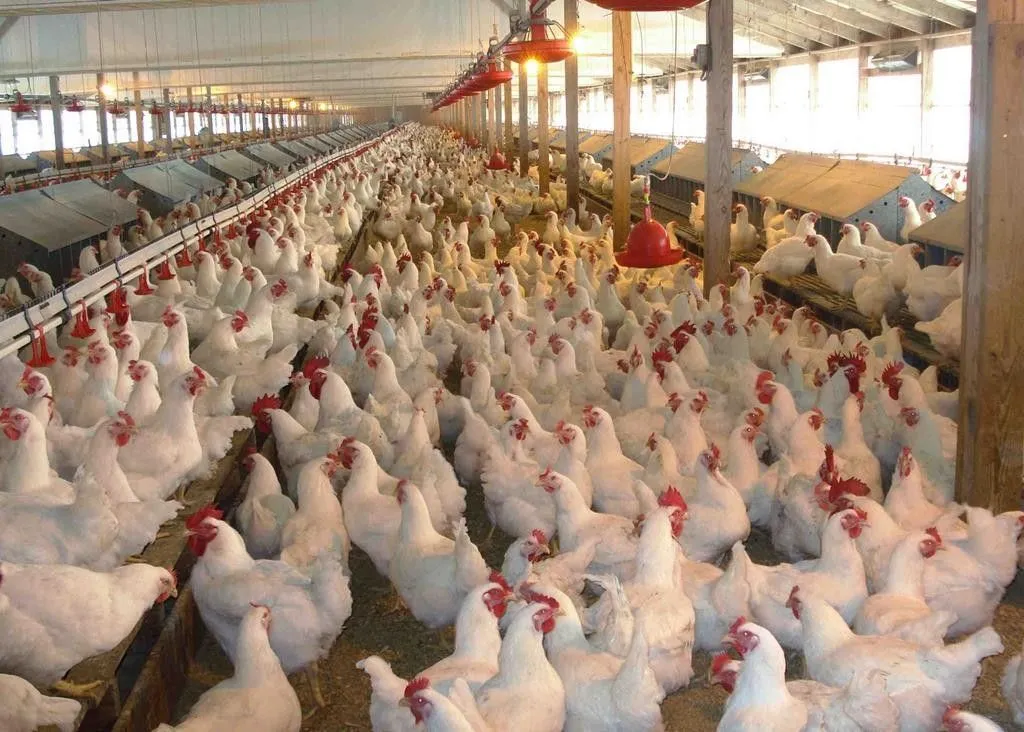
Every year, thousands of Kenyan farmers lose money to fake chicken sellers through buying sick chicks that die within days or paying premium prices for birds that never deliver promised productivity. The frustration of dealing with unverified WhatsApp groups, misleading ads, and suppliers who vanish after payment is all too common.
Farming.co.ke ends this struggle. With over 10 years of agricultural expertise, we’ve built a rigorously verified network of trusted poultry suppliers across Kenya. Every seller undergoes strict quality checks, health screenings, and track record verification before we connect them with farmers.
Where to Buy Chicks in Kenya
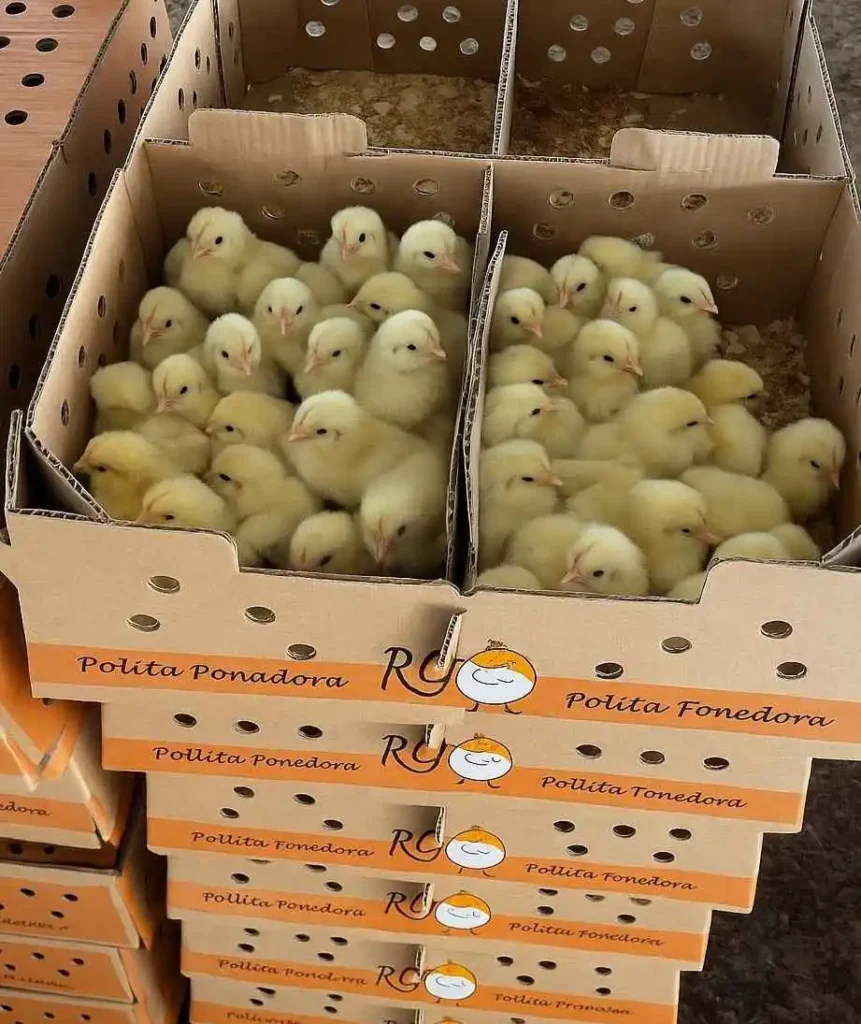
Day-old chicks offer the most affordable entry into poultry farming, though they require intensive brooding care.
Farming.co.ke is a Verified Supplier Network that works with established hatcheries across Kenya offering various breeds through both physical locations and online platforms. Our network includes suppliers specializing in broilers, layers, and improved Kienyeji breeds with comprehensive vaccination programs and delivery services.
Current Day-Old Chick Prices (2025):
- Broiler chicks: Ksh 70-90
- Layer chicks: Ksh 80-120
- Improved Kienyeji: Ksh 100-130
- Kenbro chicks: Ksh 110-140
Where to Find Them:
- Nairobi: Ronald Ngala Street (Magic Business Center), Industrial Area, Thika Road Corridor, Mlolongo/Athi River
- Major Towns: Nakuru, Eldoret, Thika with pickup locations available
- Social Media: Facebook groups like “Poultry Online Kenya” connect buyers with sellers, though verification is essential
Most suppliers require minimum orders of 50-100 chicks for delivery outside Nairobi. Delivery costs range from Ksh 500-3,000 depending on distance.
Where to Buy Layers Chicken in Kenya
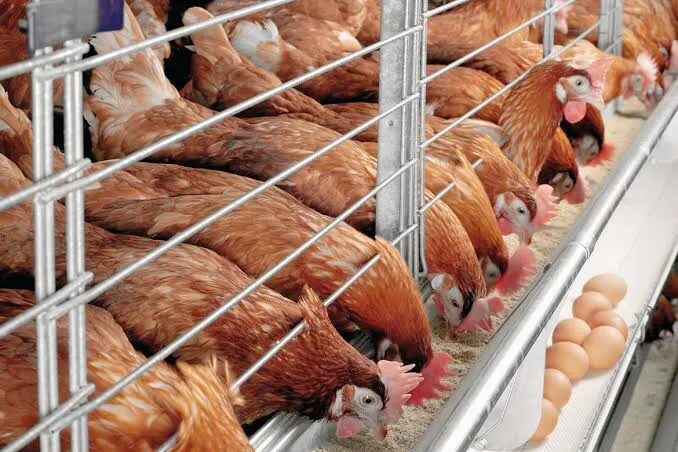
Layer chickens are the foundation of profitable egg production. Finding reliable sources determines your farm’s success for years to come.
Trusted Sources: Quality layers are available through Farming.co.ke’s verified network of specialized hatcheries. Breeds like Hyaline, Lohman Brown, ISA Brown, and Sussex deliver 72+ weeks of consistent egg production.
2025 Layer Prices:
- Day-old layer chicks: Ksh 80-120
- 3-week pullets: Ksh 250-350
- Point-of-lay (16-18 weeks): Ksh 600-900
Critical Warning: When buying point-of-lay layers, bring a veterinarian to verify age and health. Unscrupulous sellers often pass off spent layers (birds that have finished their productive cycle) as productive young birds ready to lay.
Pro Tip: Always buy layers vaccinated against Marek’s disease, Newcastle disease, and Gumboro. Request complete vaccination records from your supplier. Verified sellers provide full documentation.
Where to Buy Improved Kienyeji Chicken
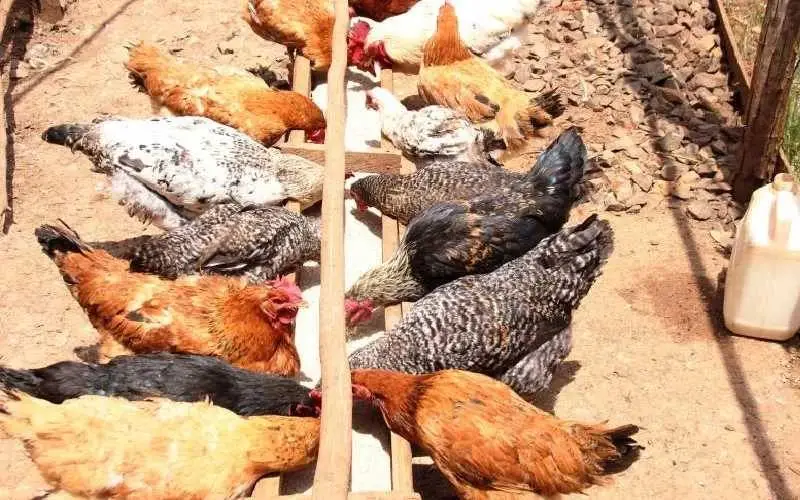
Improved Kienyeji breeds combine the hardiness of indigenous chickens with modern productivity, revolutionizing traditional poultry farming in Kenya.
Popular Breeds:
Kuroiler: Dual-purpose breed producing 150-200 eggs annually. Cockerels reach 3-4kg in 4-5 months. Highly adaptable to free-range systems with excellent disease resistance.
Kenbro: Developed specifically for Kenyan conditions. Excellent for both meat and eggs, maturing at 4-5 months with strong disease resistance. Brown-colored birds that thrive in semi-intensive systems.
Sasso: French breed reaching 2.2-2.4kg in 12 weeks. Ideal for semi-intensive farming with superior meat quality and good foraging ability.
Rainbow Rooster: Hardy hybrid with vibrant plumage. Excellent foragers, disease-resistant, perfect for organic farming systems.
Kari Kienyeji: Developed by Kenya Agricultural Research Institute (KALRO). Produces 220+ eggs annually with excellent local market acceptance and adaptability to various climates.
Where to Purchase: Available through Farming.co.ke’s verified supplier network at Ksh 100-140 for day-old chicks depending on breed and location.
Where to Buy Kienyeji Chicken in Nairobi
Nairobi serves as Kenya’s primary poultry hub with the most extensive supplier network and competitive pricing.
Nairobi Collection Points:
- Ronald Ngala Street: Magic Business Center area with multiple verified suppliers
- Industrial Area: Major hatchery distribution centers
- Thika Road Corridor: Large-scale poultry farms with direct sales
- Mlolongo/Athi River: Growing poultry hub with competitive pricing
Delivery Services in Nairobi: Most suppliers offer same-day or next-day delivery within Nairobi and surrounding areas for orders of 100+ chicks. Delivery costs typically range from Ksh 500-1,500 depending on distance and order size.
How to Safely Purchase:
- Never pay full amount upfront (30-50% deposit only)
- Insist on farm visits before large orders
- Request vaccination documentation
- Verify business registration (KRA PIN, permits)
- Use traceable payments (M-Pesa, bank transfers)
Best Feeds and Supplements to Help Your Kienyeji Chicken Grow Faster
Strategic nutrition accelerates Kienyeji growth without compromising health or using harmful chemicals.
Growth-Enhancing Program:
1. Starter Feed (0-8 weeks): High-protein chick mash (18-20% protein). Quality brands cost Ksh 3,900-4,200 per 50kg. This critical phase establishes strong foundation for growth.
2. Grower Feed (8-16 weeks): Transition to 16-17% protein mash supporting muscle and skeletal development without forcing early maturity.
3. Protein Supplements: Mix commercial feed with:
- Termites and soldier ants (35-45% protein)
- Earthworms (60-70% protein)
- Black soldier fly larvae (40-45% protein)
- Fishmeal from Lake Victoria
- Kitchen waste (boiled vegetables, cooked rice)
4. Vitamins and Minerals:
- Weekly water-soluble multivitamins boost immunity
- Vitamin AD3E particularly effective for growth
- Crushed eggshells provide calcium
- Dark green vegetables (kales, spinach) supply essential nutrients
5. Free-Range Access: Natural foraging provides insects, worms, and vegetation rich in nutrients that enhance natural growth patterns.
Pro Tips:
- Feed wet mash in mornings for better digestion
- Provide clean water 24/7—dehydration severely stunts growth
- Use probiotics to enhance feed conversion efficiency
- Ensure adequate lighting during brooding phase
- Never use unauthorized growth hormones or antibiotics
Chicken Farming Business Plan
Realistic financial planning ensures profitability from day one.
Startup Costs (100 Kienyeji Birds):
- Day-old chicks (100 @ Ksh 110): Ksh 11,000
- Feed to point-of-lay (20 weeks): Ksh 50,000
- Vaccines and medications: Ksh 2,500
- Feeders and drinkers: Ksh 8,000
- Brooder equipment: Ksh 12,000
- Miscellaneous (bedding, transport): Ksh 8,000
- Total Startup: Ksh 91,500
Layer Farming (100 Birds):
- Point-of-lay pullets (100 @ Ksh 700): Ksh 70,000
- Feed (first 3 months): Ksh 35,000
- Vaccines: Ksh 2,000
- Nesting boxes and equipment: Ksh 15,000
- Initial operational costs: Ksh 10,000
- Total Startup: Ksh 132,000
Monthly Operating Costs:
- Layer mash (per 50kg bag): Ksh 3,500-3,900
- Medications and supplements: Ksh 2,000-3,000
- Water and electricity: Ksh 1,500
- Labor (if applicable): Ksh 10,000-15,000
Revenue Projections:
- Kienyeji eggs: Ksh 12-15 per egg (200 annually = Ksh 2,400-3,000 per bird)
- Spent layers after 72 weeks: Ksh 400-600 per bird
- Broiler meat: Ksh 350-450 per kg live weight
Break-Even Timeline: Most farmers recover initial investment within 8-12 months with proper management.
If you’re diversifying your agribusiness, explore our guides on Dorper sheep pricing in Kenya or where to buy fodder in Kenya for additional income streams.
Chicken Breeds in Kenya
Understanding available breeds helps match your farming goals with the right birds for maximum profitability.
Commercial Broilers:
- Cobb 500: Fast-growing meat chicken reaching 2.5kg in 5-6 weeks with excellent feed conversion
- Ross 308: Proven performance in commercial operations with consistent growth rates
- Kuroiler: Hardy dual-purpose alternative to conventional broilers, suitable for free-range
Layer Breeds:
- Lohmann Brown: Brown eggs, proven performance in Kenyan climate, consistent production
- Hyaline: White eggs, excellent laying consistency throughout production cycle
- ISA Brown: High production rates (280-300 eggs annually), good temperament
- Sussex: Dual-purpose heritage breed with good laying capacity and meat quality
Indigenous/Improved Kienyeji:
- Kenbro: Kenyan-developed dual-purpose breed for local conditions
- Kari Improved: KALRO-researched indigenous upgrade with enhanced productivity
- Rainbow Rooster: Colorful hardy breed with excellent foraging abilities
- Sasso: French slow-growing meat breed with superior taste
Selection Guide:
- Egg Production: Choose layers (Lohmann, Hyaline) or improved Kienyeji (Kari, Kuroiler)
- Meat Production: Select broilers (Cobb, Ross) or Kenbro
- Dual Purpose: Kenbro, Sasso, or Kuroiler for both eggs and meat
- Climate Tolerance: Improved Kienyeji breeds excel in varied Kenyan climates
- Market Preference: Urban markets prefer broilers; rural markets favor Kienyeji
Chicken House Design
Proper housing directly impacts productivity, disease prevention, and bird comfort—making it a critical investment decision.
Essential Design Elements:
Space Requirements:
- Layers: 4-5 birds per square meter
- Broilers: 10-12 birds per square meter
- Kienyeji (free-range): 3-4 birds per square meter inside, plus outdoor run area
Ventilation System:
- Install wire mesh windows covering 30% of wall space
- Position windows opposite each other for cross-ventilation
- Roof height: 2.5-3 meters at highest point to allow hot air escape
- Avoid direct drafts on birds while maintaining air circulation
Roofing Materials:
- Iron sheets: Affordable but require ceiling insulation against heat
- Tiles: Better temperature control, more expensive initial cost
- Makuti/grass thatch: Traditional, good insulation, needs fire protection
Flooring:
- Concrete floor: Easy to clean, prevents predator entry
- Raise floor 30-45cm above ground level to prevent moisture
- Slope floor slightly (2%) for drainage
- Cover with deep litter (wood shavings, rice husks) 10-15cm deep
Lighting:
- Natural light during day through windows
- Artificial lighting for layers: 16 hours total light daily
- 1 bulb (60-75 watts) per 15 square meters
Security Features:
- Predator-proof wire mesh (12.5mm spacing maximum)
- Secure doors with strong locks
- Solid lower walls (1-1.2 meters high)
- Elevated structure where possible to prevent snakes and rodents
Chicken Coop
A well-designed chicken coop protects birds from weather extremes, predators, and disease while facilitating easy management.
Small-Scale Coop (40-50 Birds):
- Dimensions: 3m x 4m (12 square meters)
- Materials: Timber frame, iron sheet roof, wire mesh sides
- Cost estimate: Ksh 35,000-55,000
Interior Layout:
- Nesting boxes: 1 box per 4-5 layers (30cm x 30cm x 30cm each)
- Perches: 25cm per bird, positioned 60-80cm above floor
- Feeding space: 10cm linear feeder space per bird
- Watering points: 1 drinker per 50 birds minimum
Portable Coop (Chicken Tractor): Ideal for free-range systems, moved daily to fresh ground:
- Light frame construction (timber/PVC)
- Mesh floor allowing ground access
- Covered sleeping area
- Built-in wheels for easy movement
- Cost: Ksh 15,000-25,000 for 20 birds
Medium-Scale Coop (100-500 Birds):
- Semi-permanent structure with concrete foundation
- Multiple compartments for different age groups
- Automated watering systems
- Bulk feeding infrastructure
- Estimated cost: Ksh 150,000-350,000 depending on sophistication
Chicken Cages Kenya
Cage systems maximize space utilization in commercial layer operations, though they require higher initial capital investment.
Battery Cage Types:
A-Type Battery Cages:
- Stepped pyramid configuration
- 3-4 tiers high
- 90-120 birds per set
- Price: Ksh 18,000-28,000 per set
- Easier cleaning, better ventilation
H-Type Battery Cages:
- Double-sided vertical arrangement
- 4-5 tiers
- 128-160 birds per set
- Price: Ksh 25,000-40,000 per set
- Maximum space efficiency for large operations
Standard Cage Specifications:
- Cell size: 45cm x 45cm x 45cm (3-4 birds per cell)
- Wire gauge: 2.5-3mm galvanized wire for durability
- Feeders: Front-mounted trough system
- Drinkers: Nipple drinkers or cup systems
- Egg collection: Slanted floor with external collection tray
Advantages:
- Reduced disease transmission between birds
- Easier egg collection and management
- Better feed conversion ratios
- Higher stocking density
- Reduced labor requirements
Disadvantages:
- High initial investment
- Welfare concerns from animal rights perspective
- Requires constant clean water supply
- More mechanical failures possible
Farming.co.ke connects farmers with reputable cage fabricators offering warranties and after-sales support throughout Kenya.
Chicken Vaccination Schedule
Proper vaccination protects your investment and ensures consistent productivity. Here’s the recommended 2025 schedule for Kenyan conditions.
Layer/Kienyeji Vaccination Program:
| Age | Vaccine | Method | Disease Prevented |
|---|---|---|---|
| Day 1 | Marek’s | Subcutaneous injection | Marek’s disease |
| Day 7-10 | Newcastle (I) + IB | Eye/nose drop or water | Newcastle, Infectious Bronchitis |
| Day 14-16 | Gumboro (I) | Drinking water | Gumboro (IBD) |
| Day 21-24 | Gumboro (II) | Drinking water | Gumboro booster |
| Week 6 | Newcastle (II) | Drinking water | Newcastle booster |
| Week 8 | Fowl Pox | Wing web | Fowl pox |
| Week 12 | Newcastle (III) | Drinking water | Newcastle booster |
| Week 14-16 | Fowl Typhoid | Intramuscular | Salmonella/Typhoid |
| Week 18 | Newcastle (IV) + IB | Drinking water | Pre-lay booster |
Broiler Vaccination (Simplified):
- Day 1: Marek’s
- Day 7: Newcastle + IB
- Day 14: Gumboro (I)
- Day 21: Gumboro (II)
Deworming Schedule:
- First deworming: Week 6
- Subsequent deworming: Every 8-12 weeks
- Use broad-spectrum dewormers like Piperazine or Levamisole
Total Vaccination Cost: Ksh 2,200-2,800 for 100 birds through point-of-lay (2025 prices)
Critical Vaccination Tips:
- Store vaccines at 2-8°C (refrigerated, never frozen)
- Use vaccines before expiry dates
- Follow manufacturer’s dosage instructions precisely
- Avoid vaccinating stressed or sick birds
- Maintain detailed records of all vaccinations
Chicken Feeds Prices in Kenya
Feed represents 60-70% of total poultry production costs, making it essential to understand current pricing for accurate financial planning.
2025 Feed Prices (50kg Bags):
Chick Starter (0-8 weeks):
- Premium brands: Ksh 3,900-4,200
- Standard brands: Ksh 3,500-3,700
Grower Feed (8-16 weeks):
- Premium brands: Ksh 3,800-3,950
- Standard brands: Ksh 3,400-3,600
Layer Mash:
- Premium brands: Ksh 3,500-3,900
- Standard brands: Ksh 3,200-3,500
- Bulk purchases (10+ bags): 5-10% discount
Broiler Feeds:
- Starter (0-3 weeks): Ksh 4,000-4,300
- Grower (3-6 weeks): Ksh 3,900-4,100
- Finisher (6+ weeks): Ksh 3,800-4,000
Kienyeji/Kenbro Mash:
- Ksh 3,500-3,800 per 50kg bag
Feed Consumption Estimates:
- Layer: 120-130g per bird daily (0.9kg weekly)
- Broiler: 3.5-4.5kg total feed to market weight
- Kienyeji: 100g per bird daily (0.7kg weekly)
Feed Cost-Saving Strategies:
- Buy in bulk during harvest season (August-December) when prices drop
- Join farmer cooperatives for group purchasing power
- Supplement with locally available ingredients
- Use proper storage to prevent waste and contamination
- Implement precision feeding based on bird age and productivity
Chicken Food Kenya
Beyond commercial feeds, supplementary nutrition enhances bird health and significantly reduces overall feed costs.
Natural Feed Supplements:
Protein Sources:
- Termites and soldier ants (35-45% protein)
- Earthworms (60-70% protein)
- Black soldier fly larvae (40-45% protein)
- Fishmeal from Lake Victoria
- Dried blood meal
- Soybean by-products
Energy Sources:
- Maize (whole grain or crushed)
- Wheat bran and rice bran
- Cassava peels (dried and ground)
- Overripe bananas and plantains
Vitamins and Minerals:
- Dark green vegetables (kales, spinach, managu)
- Crushed eggshells (calcium for strong shells)
- Bone meal (calcium and phosphorus)
- Yellow vegetables (carrots, pumpkins) for vitamin A
Kitchen Waste (Safe Options):
- Vegetable peelings and leftover greens
- Cooked rice and ugali remnants
- Bread and bakery waste
- Fruit scraps (except avocado)
NEVER Feed Chickens:
- Avocado (highly toxic to birds)
- Raw beans (contain harmful toxins)
- Chocolate or caffeinated products
- Salty or processed foods
- Moldy or spoiled feeds
Recommended Feeding Schedule:
- Morning (7-8 AM): Commercial feed (60% of daily ration)
- Midday (12-1 PM): Kitchen waste and natural supplements
- Evening (5-6 PM): Commercial feed (40% of daily ration)
- Constant access: Clean water and grit (small stones for digestion)
Chicken Farming in Kenya
Kenya’s poultry industry is experiencing exponential growth producing approximately 35,000 metric tonnes of chicken meat and 1.6 billion eggs annually, yet only meeting 60-70% of domestic demand.
Industry Overview:
Growth Drivers:
- Rapid urbanization increasing protein demand
- Growing middle class with higher purchasing power
- Health-conscious shift from red meat to poultry
- Government support through Kenya National Poultry Development Policy
- Improved breed availability and technical knowledge
Regional Considerations:
Central Kenya (Nairobi, Kiambu, Murang’a):
- High population density supports all poultry types
- Strong demand for both eggs and meat
- Competitive but profitable market
- Excellent infrastructure and input availability
Rift Valley (Nakuru, Eldoret, Narok):
- Cooler climate ideal for broilers
- Growing layer farming sector
- Lower competition in rural areas
- Access to cheaper feed (maize-growing region)
Western Kenya (Kakamega, Bungoma, Kisumu):
- Strong Kienyeji chicken market
- Traditional farming practices dominant
- Opportunities for improved breeds
- Organic/free-range market potential
Coastal Region (Mombasa, Kilifi, Malindi):
- Hot humid climate challenges requiring good ventilation
- Higher disease pressure
- Premium pricing for quality chicken
- Tourist market opportunities
Eastern Kenya (Machakos, Makueni, Embu):
- Semi-arid conditions favor hardy breeds
- Kienyeji varieties perform well
- Growing peri-urban poultry demand
- Water availability crucial for success
Success Factors:
- Start small (50-100 birds) and scale gradually
- Prioritize biosecurity and disease prevention
- Build relationships with reliable input suppliers
- Understand your specific market preferences
- Maintain detailed farm records for decision-making
- Join farmer cooperatives for bulk buying power
Opportunities:
- Value addition: Processing, sausages, nuggets
- Organic/free-range niche markets commanding premium prices
- Export potential to regional markets
- Contract farming arrangements with processors
- Integration with crop farming systems
- Agro-tourism combining chicken farming with farm visits
Chicken Layers Farming in Kenya
Layer farming offers steady passive income through daily egg production, making it one of the most reliable poultry ventures.
Startup Requirements (100 Layers):
- Point-of-lay pullets (100 @ Ksh 700): Ksh 70,000
- Housing and equipment: Ksh 35,000
- 3-month feed supply: Ksh 35,000
- Vaccines and medications: Ksh 2,000
- Miscellaneous: Ksh 10,000
- Total Startup: Ksh 152,000
Monthly Revenue Projections (100 Birds at 90% production):
- 2,700 eggs monthly @ Ksh 12 = Ksh 32,400
- Operating costs (feed, medication): Ksh 15,000
- Net Monthly Profit: Ksh 17,400
Production Cycle:
- Point-of-lay: 18-20 weeks old
- Peak production: 24-40 weeks (90-95% laying rate)
- Sustained production: 40-72 weeks (75-85% laying rate)
- End of cycle: 72-78 weeks (below 70%, time to cull)
Critical Success Factors:
- Buy quality point-of-lay birds from verified sources
- Maintain strict vaccination and deworming schedule
- Provide consistent feed (layer mash with adequate calcium)
- Ensure clean water 24/7 (250-300ml per bird daily)
- Collect eggs 2-3 times daily to prevent breakage
- Grade and package eggs professionally for better prices
- Build customer relationships for consistent sales
Chicken Farming for Eggs
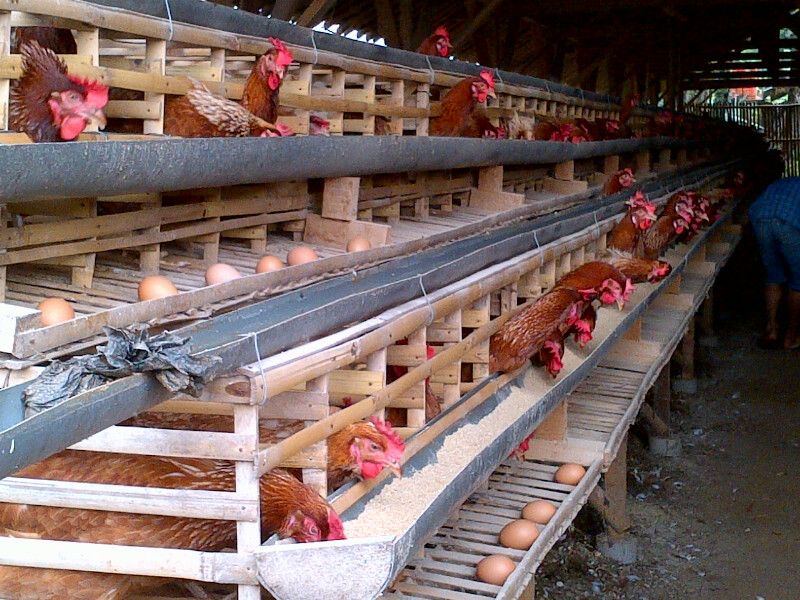
Egg production requires different management strategies than meat production, with focus on consistency and quality.
Daily Management Routine:
- Morning (6-7 AM): Feed first portion, collect morning eggs, check water levels
- Midday (12-1 PM): Inspect for sick birds, check ventilation, collect eggs
- Evening (5-6 PM): Feed second portion, final egg collection, secure coop against predators
Nutritional Requirements:
- Layer mash (16-18% protein, 3.5-4% calcium minimum)
- 120-130g per bird daily
- Clean water (250-300ml per bird daily)
- Grit (small stones) for proper digestion
- Oyster shells or limestone for extra calcium (free choice)
Egg Handling Best Practices:
- Collect eggs 2-3 times daily to prevent breakage and contamination
- Grade by size: small (below 53g), medium (53-63g), large (63-73g), extra-large (above 73g)
- Store in cool (13-18°C), dry place away from strong odors
- Market within 7-10 days for premium freshness pricing
- Package in clean, branded trays for professional appearance
- Never wash eggs unless necessary (removes protective coating)
Common Problems and Solutions:
- Soft-shelled eggs: Increase calcium supplementation
- Blood spots: Usually genetic, cull affected birds
- Pale yolks: Add more greens and yellow vegetables to diet
- Reduced production: Check for stress, disease, inadequate feed, or lighting issues
Where to Sell Chicken in Kenya Near Me
Identifying reliable markets before starting production ensures profitability and reduces post-harvest losses.
Direct Consumer Markets:
Urban Areas (Nairobi & Major Cities):
- Residential estates: Door-to-door sales to households
- Open-air markets: Gikomba, Wakulima, City Market, local municipal markets
- Weekend farmers’ markets: Karen, Lavington, Westlands, Runda
- Social media sales: Facebook groups, Instagram, WhatsApp Business
- Home delivery services for convenience-seeking customers
Institutional Buyers:
- Hotels and restaurants (mid to high-end establishments)
- Schools, colleges, and universities
- Hospitals and care homes
- Corporate cafeterias and canteens
- Training centers and camps
Retail Outlets:
- Supermarkets: Major chains requiring health certificates
- Local butcheries and groceries
- Kiosks in residential areas
- Roadside vegetable vendors
Market Preparation Requirements:
- Obtain public health certificate from county government
- Register business and get KRA PIN for formal buyers
- Package attractively with labels for retail
- Build reputation for consistency and quality
- Price competitively while maintaining healthy margins
Where to Sell Kienyeji Chicken in Kenya
Kienyeji chicken commands 30-50% premium prices over broiler due to perceived superior taste and nutritional value.
Premium Kienyeji Markets:
Urban Middle Class:
- Fastest-growing market segment
- Willing to pay Ksh 600-1,000 per kg (vs Ksh 350-450 for broiler)
- Values organic/free-range production methods
- Prefers home delivery for convenience
High-End Establishments:
- Eco-lodges and boutique hotels
- Cultural restaurants serving traditional cuisine
- Tourist-focused establishments
- Upscale butcheries in affluent areas
Farmers’ Markets:
- Weekend organic markets in Nairobi suburbs
- Cooperative marketing through KOAN (Kenya Organic Agriculture Network)
- Agricultural shows and exhibitions
- County trade fairs
Export and Niche Markets:
- Diaspora communities (limited but growing)
- Niche organic food retailers
- Farm-to-table restaurants
- Online organic food platforms
Current Kienyeji Prices (2025):
- Live Kienyeji chicken: Ksh 600-1,000 per kg
- Dressed Kienyeji chicken: Ksh 700-1,200 per kg
- Kienyeji eggs: Ksh 12-18 each (Ksh 180-270 per tray retail)
Marketing Strategies:
- Emphasize free-range, organic, antibiotic-free practices
- Use social media to showcase transparent farm practices
- Share customer testimonials and success stories
- Offer convenient home delivery
- Build relationships for repeat business
- Participate in agricultural exhibitions for visibility
Where to Sell Broiler Chicken in Kenya
Broiler chickens target volume markets with competitive pricing and requirements for consistent supply.
Primary Broiler Markets:
Wholesale Butcheries:
- City Market, Nairobi (high volume daily trading)
- Gikomba Market and satellite markets
- Municipal markets in county headquarters
- Wholesale pricing: Ksh 280-350 per kg live weight
Hotels and Restaurants:
- Mid to lower-range eating establishments prefer broilers
- Requires consistent supply and quality standards
- Payment terms negotiable (typically 7-30 days)
- Price range: Ksh 320-400 per kg dressed weight
Individual Consumers:
- Pre-orders through social media platforms
- Estate-based sales (door-to-door or pickup points)
- Market days in peri-urban centers
- Retail pricing: Ksh 380-500 per kg live weight
Processing Companies:
- Contract farming arrangements available
- Guaranteed market but lower margins
- Industry-standard pricing: Ksh 250-320 per kg
- Requires consistent quality and volume delivery
Supermarket Supply:
- Requires consistent volume and quality
- Health certifications and traceability mandatory
- Competitive pricing but reliable payments
- Price range: Ksh 320-420 per kg
Strategic Timing:
- Peak demand periods: December holidays, Easter, August (schools opening)
- Low demand: January-February (post-holiday financial constraints)
- Plan production cycles 6-8 weeks before peak seasons
- Maintain small flocks during low seasons for customer retention
Where to Sell Chicken Eggs in Kenya
The egg market offers consistent daily income compared to meat production, with lower market volatility.
Egg Marketing Channels:
Direct Consumer Sales:
- Estate residents: Ksh 12-15 per egg (retail pricing)
- Bulk to households: Ksh 10-13 per egg (for 1+ trays)
- Office deliveries: Premium pricing Ksh 14-17 per egg
- Online orders via WhatsApp Business
Retail Outlets:
- Kiosks and local shops: Ksh 10-11 per egg (wholesale to them)
- Supermarkets: Ksh 9-10 per egg (bulk, requires grading and packaging)
- Groceries and mini-marts: Ksh 10-12 per egg
Institutional Buyers:
- Schools and colleges: Ksh 9-11 per egg (large volumes, predictable)
- Hospitals and health facilities: Ksh 10-12 per egg
- Hotels and bakeries: Ksh 9-11 per egg (bulk orders)
- Restaurants and cafeterias: Ksh 10-12 per egg
Kienyeji Egg Premium Market:
- Retail price: Ksh 15-20 per egg
- Wholesale: Ksh 12-15 per egg
- Market narrative: Free-range, organic, nutritious, support local farmers
Effective Pricing Strategy:
- Offer volume discounts (5-10% for 5+ trays)
- Maintain consistent quality to build reputation
- Grade eggs by size (large eggs fetch 10-20% premium)
- Package attractively in branded trays with farm information
- Offer delivery for regular customers to ensure loyalty
- Accept M-Pesa for convenience
Chicken Farming for Eggs
Egg production requires different management than meat production.
Production Cycle:
- Point-of-lay: 18-20 weeks
- Peak production: 24-40 weeks (90-95% laying rate)
- Sustained production: 40-72 weeks (75-85% laying rate)
- End of cycle: 72-78 weeks (below 70% production)
Daily Management:
- Morning: Feed, collect eggs, check water
- Midday: Inspect for sick birds, ventilation check
- Evening: Feed top-up, egg collection, secure coop
Feed Requirements:
- Layer mash (16-18% protein, 3.5-4% calcium)
- 120-130g per bird daily
- Clean water (250-300ml per bird daily)
- Grit for digestion
- Oyster shells for extra calcium
Egg Handling:
- Collect 2-3 times daily
- Grade by size (small, medium, large)
- Store in cool, dry place
- Market within 7-10 days for freshness
- Package in clean, branded trays
Why Trust Farming.co.ke?
10+ Years of Agricultural Excellence
Farming.co.ke has spent over a decade connecting Kenyan farmers with genuine livestock suppliers. We’ve helped thousands transition from subsistence to commercial farming through:
✓ Rigorous Supplier Verification: Every poultry supplier undergoes physical farm inspections, health record reviews, and customer track record analysis before joining our network.
✓ Quality Assurance: We verify bird health, vaccination status, and breeding records to ensure you get exactly what you pay for.
✓ Comprehensive Guidance: Our agricultural experts provide one-on-one consultation, helping you choose the right breeds, create business plans, and connect with markets.
✓ Diverse Livestock Portfolio: Beyond poultry, we’ve successfully facilitated sales of dairy cows, feedlot cattle, Dorper sheep, and other livestock across Kenya.
✓ Transparent Transactions: We eliminate middlemen, fake sellers, and payment scams by connecting you directly with verified suppliers under our watchful oversight.
Frequently Asked Questions
What is the average cost of day-old chicks in Kenya (2025)?
Day-old chicks in Kenya cost between Ksh 70–145, with broilers at Ksh 70–90, layers at Ksh 80–120, and improved Kienyeji breeds like Kuroiler, Kenbro, and Sasso ranging from Ksh 100–145, depending on the supplier, season, and order size.
How do I choose a reliable hatchery?
Look for hatcheries with a physical address and valid registration, complete vaccination records, positive customer reviews, transparent pricing with no hidden fees, and after-sales support. Farming.co.ke pre-screens suppliers to save you time and reduce risk.
How many chickens can I start with as a beginner?
Beginners should start with 50–100 chickens to manage costs, learn proper care, and test market demand before expanding.
Do you deliver chickens across Kenya?
Yes, Farming.co.ke connects you with suppliers who deliver chickens across Kenya, with most requiring a minimum order of 50–100 chicks and delivery costs ranging from Ksh 500–3,000 depending on distance, using ventilated transport boxes to ensure chicks arrive healthy and stress-free
For additional insights into Kenya’s poultry sector, explore:
- Nation Africa Agribusiness – Latest agricultural news and market trends
- FAO Kenya – Research and development resources for sustainable poultry farming
Farming.co.ke – Your Trusted Partner in Kenyan Agriculture Since 2014